
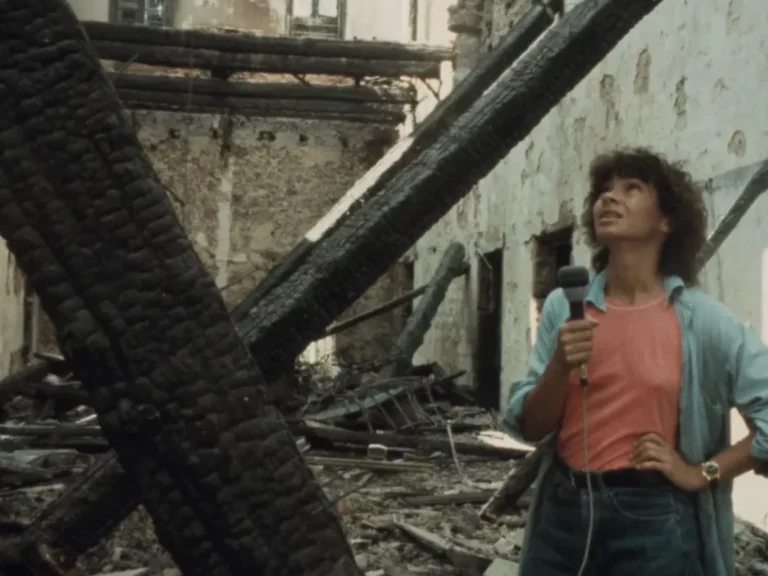
As Lebanon endures renewed bombardment, Jocelyne Saab’s Beirut trilogy takes on fresh urgency and sorrow.
In the late 1970s and early 1980s, Saab fused documentary craft with intimate storytelling to trace life under siege in Beirut. The Beirut Trilogy follows ordinary people through upheaval: Beirut, Never Again (1976), A Letter from Beirut (1978), and Beirut, My City (1983) — works that blend the personal with the political to reveal resilience amid ruins.
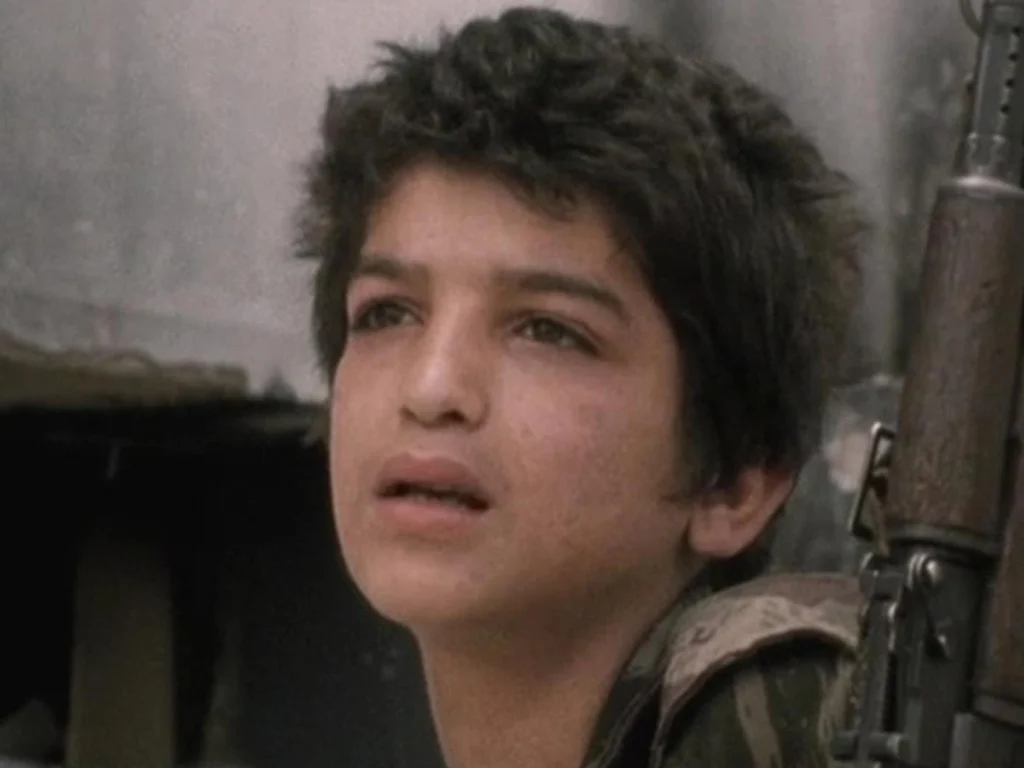
Beirut, Never Again opens with a jarring soundscape of gunfire and decay, layering a memory of a city that once sparkled with visitors against a present marked by rubble, refugees and a stubborn will to endure. Saab’s narration crafts a longing for a lost Beirut while the imagery keeps pace with a city that has not ceased to fight for life.
A Letter from Beirut shifts the lens to the public transit network, collecting candid conversations as Saab travels across a war-torn landscape. People describe blocked roads, lost homes and loved ones who vanish into the conflict. The film stitches together these conversations to show how ordinary routines survive amid fear and fragmentation, even as maps redraw what is possible.
Beirut, My City extends the meditation, using documentary footage shot before the worst violence and completed afterward to trace the toll on everyday life. It probes how representation carries forebodings: the shadow of Sabra and Shatila lingers as the survivors press on. Saab’s camera captures small rituals, fragile friendships and moments of tenderness that persist amid collapse.
Viewed in 2026, Saab’s trilogy resonates as history tracing its own tracks. The early 1980s conflict in Lebanon is echoed by ongoing regional violence, with external powers prolonging instability and displacement. Contemporary reporting notes thousands killed and hundreds of thousands displaced in surrounding crises, underscoring how the past and present haunt each other on every screen.
Yet Saab’s films insist on clarity about who bears the burden of oppression, while still bearing witness to human connection. A quiet bus-stop embrace between a driver and passenger from A Letter from Beirut stands out as a testament to friendship amid ruin, a reminder that solidarity can outlive the wreckage.
Ultimately, the Beirut Trilogy argues that life can endure even when history seems determined to repeat itself. As the narration in Beirut, My City recalls the grit of survival with the refrain, Still alive — and it leaves us wondering whether what comes next can ever escape yesterday’s shadow.
Beirut Trilogy and the present moment
Saab’s documentation of violence, displacement and stubborn ordinary life remains urgently relevant as fresh conflicts unfold across the region. The trilogy serves as a lens for understanding Lebanon’s past and the continuing pressures that shape its future, connecting local memory to broader currents of war and accountability.
Source: Original article