
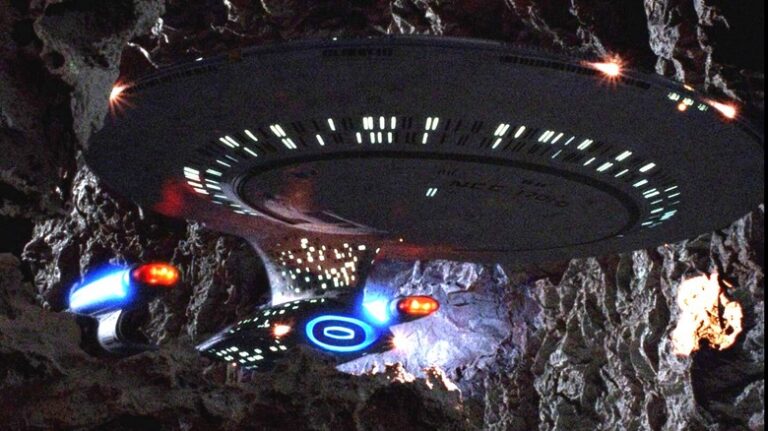
Warp nacelles sit at the ends of a starship, acting as the propulsion heart of Starfleet vessels. They aren’t rocket engines; instead, they power the ship by shaping space around it, creating a warp bubble that lets the vessel traverse vast distances in sub-light motion. Placed on the hull’s edges, they help the warp field envelope the entire ship as it moves.
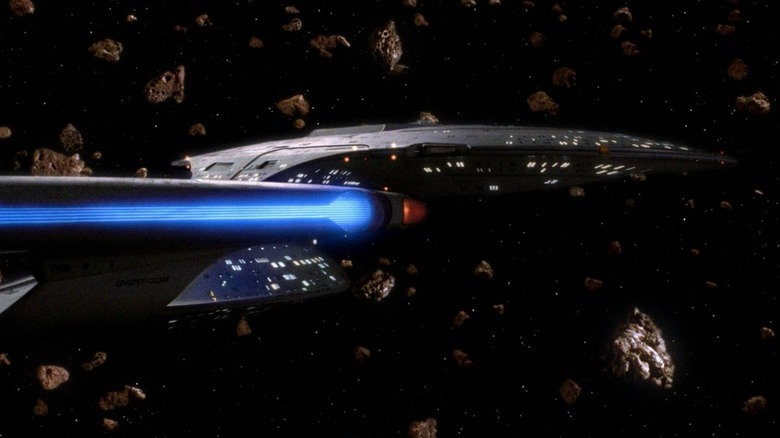
How the warp field works
In Starfleet lore, the warp nacelles draw power from the ship’s core to energize the warp coils. The resulting, layered field surrounds the hull and distorts space so the ship advances without breaking physical laws. Space is compressed near the ship and then released, letting the vessel travel great distances while remaining effectively sub-light within the warped region.
Placement matters—nacelles sit at the outer extremities of the design so the warp field can wrap around the whole vessel, keeping the ship intact at high velocities.
Bussard ramscoops and the red tips
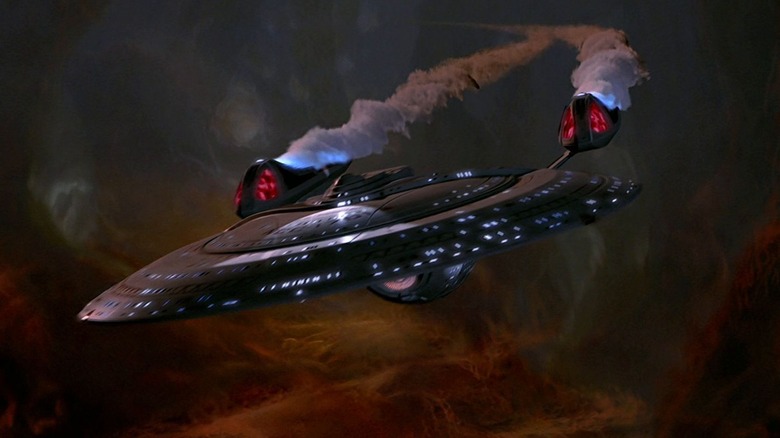
The red-tipped fronts of many nacelles hide Bussard ramscoops. These scoops pull in hydrogen and other trace gases, feeding the energy system. In practice, space is sparse, so the ramscoops aren’t a primary fuel source, but they’re a recurring detail in Trek’s tech lore. In Star Trek: Insurrection, the ramscoops are shown redirecting gas as fuel for a photon torpedo.
Why two nacelles?
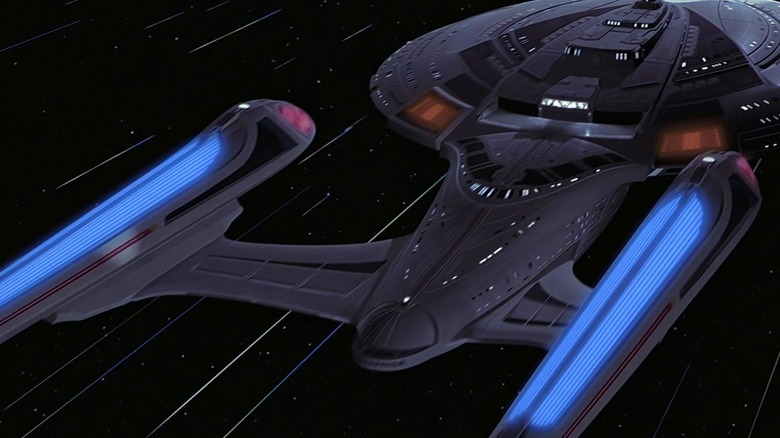
Gene Roddenberry’s design brief set a two-nacelle standard. The aesthetic rules plus in-universe math eventually explained that two engines offer stable control over the warp field geometry. Some ships, like the Stargazer, experimented with four nacelles, which can alter the warp field dynamics and maneuverability.
The Stargazer’s four-nacelle layout is also linked to the famed Picard Maneuver—a quick burst to create the illusion of two ships in one momentary burst. It remains a rare exception in Starfleet design.
There is a tradeoff, though: extending nacelles away from the hull makes them tempting targets. Shields help, but a direct strike can cripple warp propulsion, prompting caution during combat.
Understanding nacelles helps explain the iconic look of Star Trek ships and why this external power system remains a defining feature of the franchise.
Source: Original article