
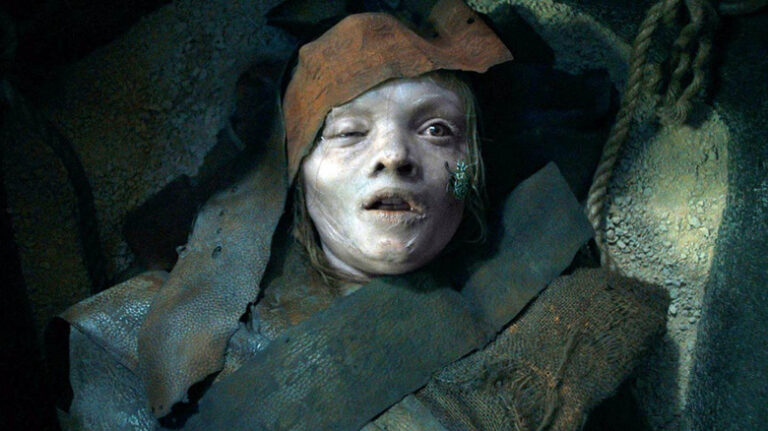
Spoilers ahead for Lee Cronin’s The Mummy.
The movie leans on brutal horror sequences while building a family tragedy around Katie. In the finale, Charlie offers himself as a conduit to trap the demon, saving his daughter but dying in a coffin.
Reports later indicated that the original ending didn’t test well, prompting a last‑minute rewrite. The Hollywood Reporter notes a new epilogue was filmed to push a sharper, revenge‑tinged conclusion, even as some feel it unsettles the film’s rhythm.
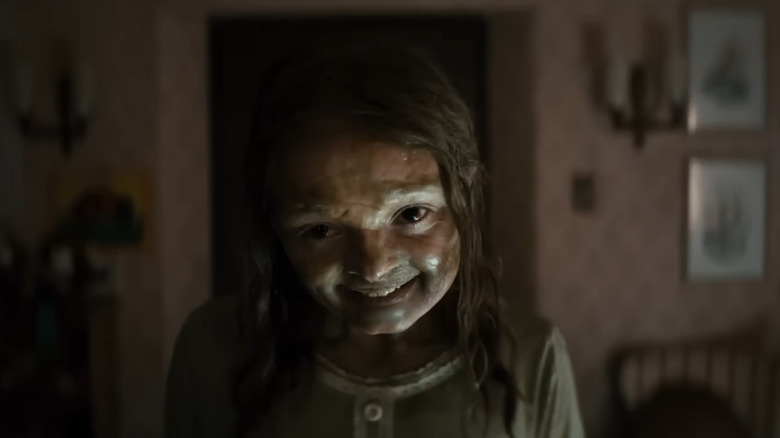
A clumsy postscript and a troubling edge
The added sequence centers on the Magician, who has haunted the story from the start and is shown alive after the gunfight. Detective Zaki unlocks her cell and a plan unfolds to transfer the demon into her body as punishment, overturning the mercy that saved Katie earlier.
Critics argue the postscript dampens the film’s momentum and makes Charlie’s sacrifice feel less meaningful. It’s seen as an attempt to deliver a more definitive ending that may not mesh with the movie’s earlier tone.
Racial subtext and audience response
Commentators flag a troubling racial subtext in the wrap‑up, suggesting a white hero is saved while the Egyptian antagonist is condemned anew. The epilogue is viewed by some as perpetuating stereotypes that exoticize Egyptian culture, a familiar note in mummy cinema.
For context, SlashFilm cites The Hollywood Reporter in confirming the ending was reshaped after test screenings, underscoring the degree to which feedback influenced the final beat.
Source: Original article