
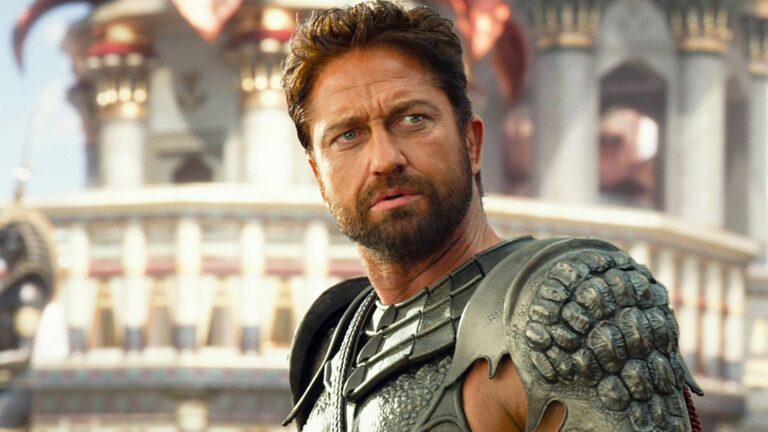
Gerard Butler’s muscular turn as a thunderous deity in Gods of Egypt became one of modern cinema’s most infamous misfires. The 2016 fantasy project ignited debate over casting, spectacle, and ambition, and its impact still reverberates in conversations about big-budget mythmaking.
Controversy before release
Marketing drew intense backlash for casting a largely white ensemble in an Egyptian legend. Directors and studios later acknowledged the misstep and apologized for the whitewashing concerns that dominated the discourse.
Box office and critical response
With a reported budget near $140 million, the film opened to about $14 million in the U.S. and $24.2 million overseas. Critics largely dismissed it, leaving Rotten Tomatoes at a 15% score, while director Alex Proyas faced scrutiny after a sharp social-media post targeting critics.
Aftermath and the director’s hiatus
The backlash helped push Proyas away from Hollywood for several years. He resurfaced in 2020 with a horror short and founded the Heretic Foundation in 2021 to back independent cinema. The movie continued to spark chatter, and by 2025 it enjoyed renewed interest as it circulated on Netflix.
Legacy and a strange second life
Today, Gods of Egypt is often viewed as a spectacular misfire best enjoyed as campy fantasy rather than a faithful mythic retelling. It remains a notable case study in representation, production choices, and the risks of scale. The title later streamed on Pluto TV for free, broadening access to its polarizing spectacle.
Source: Original article