
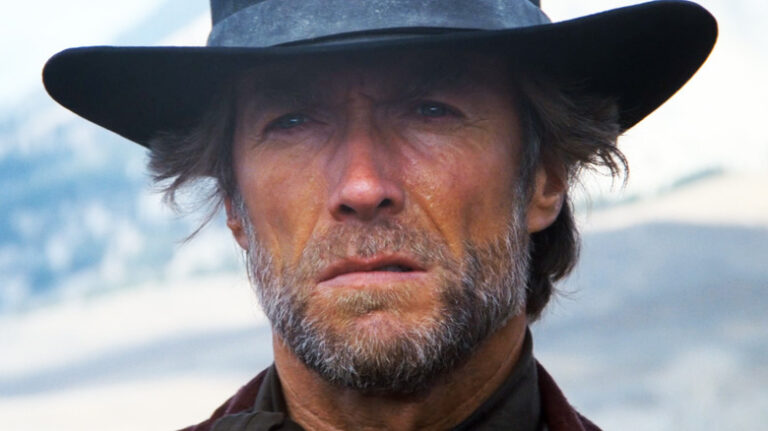
Eastwood’s lone 1980s Western rides to box-office profit and critical praise
In the 1980s, Clint Eastwood faced a rough spell at the box office, but Pale Rider proved there was still life in the frontier. This single Western of the decade became both a money-maker and a critical favorite.
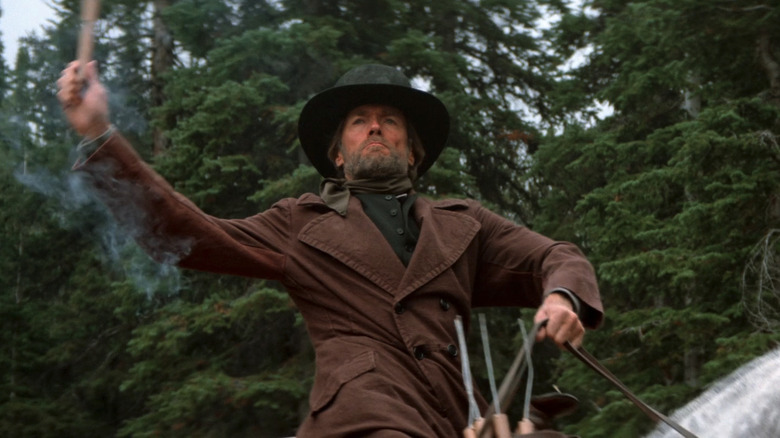
The Preacher, a quiet, enigmatic rider, arrives in LaHood, California, to confront a mining magnate and his henchmen. The story leans into myth and ambiguity, hinting that the hero may be more than human.
Box office and critical reception
With a budget around $7 million, Pale Rider grossed roughly $41.4 million, yielding a solid profit for Eastwood. It has earned near-universal praise among critics, and Rotten Tomatoes currently shows a 94% score.
The New York Times’ Vincent Canby credited Eastwood with steady, graceful direction and called Pale Rider the first decent Western in a very long time. Roger Ebert gave four stars, calling the movie a notable achievement and a stylish, exciting Western.
Not every reviewer was convinced. The Washington Post suggested the tale felt familiar and argued the Western revival hadn’t fully clicked with audiences. Still, Pale Rider is widely regarded as one of the era’s best Westerns.
The character of The Preacher nods to Eastwood’s High Plains Drifter, but Pale Rider introduces its own aura of mystery. The climactic showdown with LaHood’s men remains one of Eastwood’s most taut, memorable sequences.
In a decade when Westerns struggled to find a foothold, Pale Rider demonstrated that a lean, well-crafted film could still captivate crowds and critics alike. It endures as a high-water mark among 1980s Westerns.
Source: Original article