
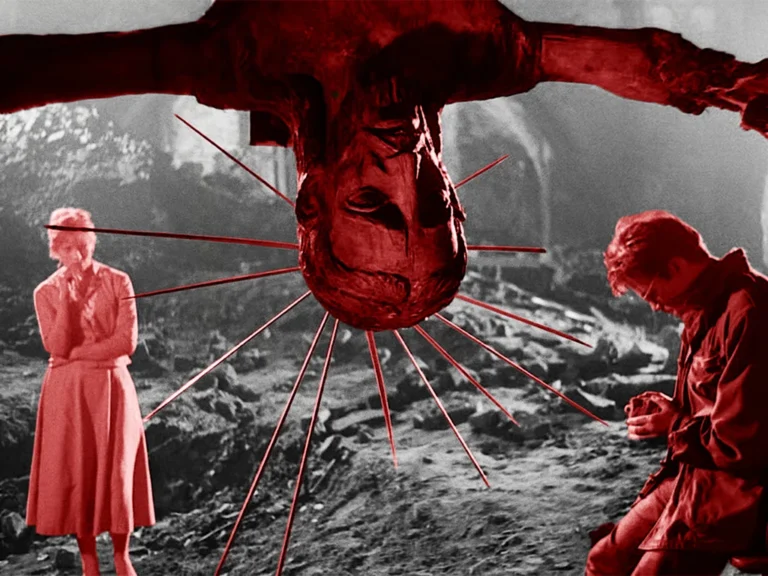
As Poland marks the centenary of Andrzej Wajda, critics revisit how the director mapped national upheavals through intimate, morally intricate tales.
His War Trilogy—A Generation (1955), Kanał (1957) and Ashes and Diamonds (1958)—refuses easy patriotism. The films insist that liberation is not a clean triumph but a fog of choices, sacrifices, and ambivalent loyalties that haunt the present.
A Generation: Youth, Oppression, and Choice
The opening shot glides through Warsaw’s Wola district in 1942, sketching a city under siege where poverty and peril shape every decision. The young Stach navigates a social landscape where friendships blur with resistance, and a single act of rebellion can redefine a life.
As Stach forges an uneasy alliance with a communist network, the film tests the idea that virtue and courage can coexist with doubt. The narrative refuses to crown heroes, instead painting a terrain where political urgency and personal risk collide in cramped, morally charged spaces.
Kanal: Descent and the Burden of Resistance
In Kanał, the focus shifts to the Warsaw Uprising and a descent into the sewers, where fear and solidarity collide in claustrophobic corridors. Wajda’s camera lingers on the price of courage, the sense that survival can require inhumane choices, and the illusion of a hopeful outcome is steadily eroded.
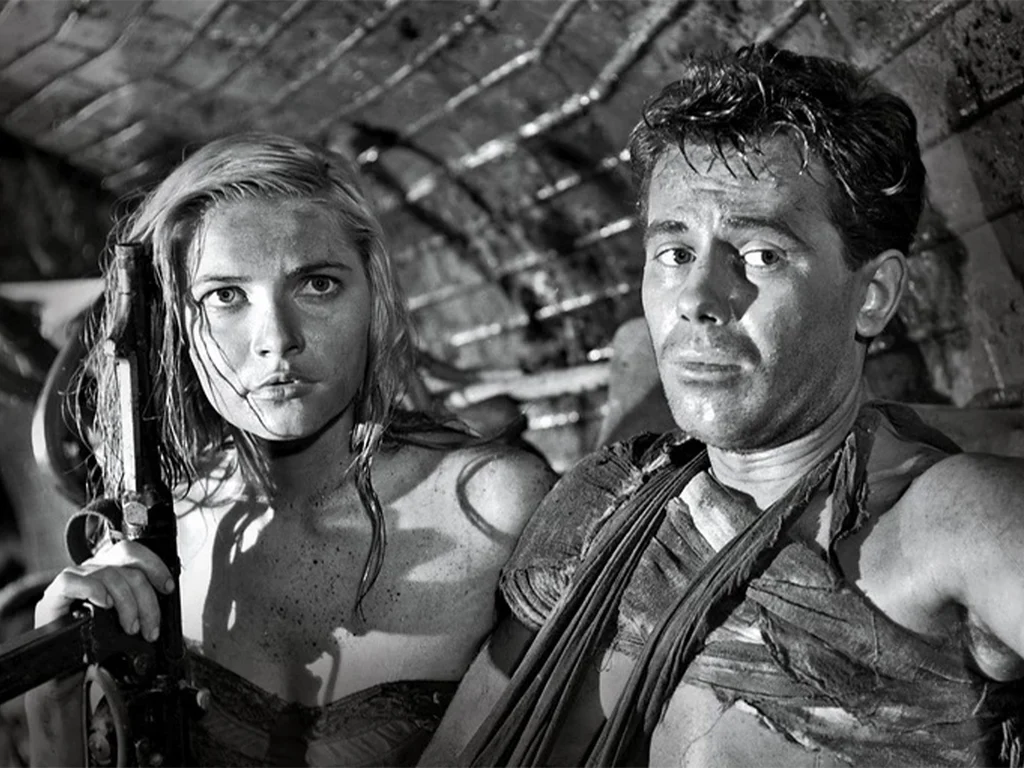
The thaw in Polish politics after Stalinism gives the film a brittle aura of realism: sacrifice is real, but victory remains elusive, and memory itself becomes a battlefield as much as any trench.
Ashes and Diamonds: Aftermath and Ambiguity
The trilogy’s final chapter moves to the immediate postwar years, following a former Home Army fighter who joins an underground faction, then confronts the moral toll of a political project that promises emancipation but delivers fragility and heartbreak. A pivotal choice, a love affair, and a ruined church anchor a meditation on memory’s stubborn stubbornness.
Katyń and the Weight of Memory
In Katyń (2007), Wajda returns to Poland’s trauma with a family-centered perspective. The film centers on a captain, his wife, and their daughter as they confront a national catastrophe that silent decades could not obscure. A bridge opening scene hints at competing truths and the difficulty of telling history without taking sides—a theme that ran through Wajda’s career.
Wajda’s cinema remains anchored in humanity. His insistence that memory, rather than triumph, should guide understanding continues to resonate amid present-day debates over history and identity.
Throughout, Wajda’s stories insist that history refuses neat resolution. They insist that human beings, caught in brutal political systems, demand empathy and accountability. In an age of revisionist narratives, his films endure as a humane record of a country’s turbulent past.
Source: Original article