
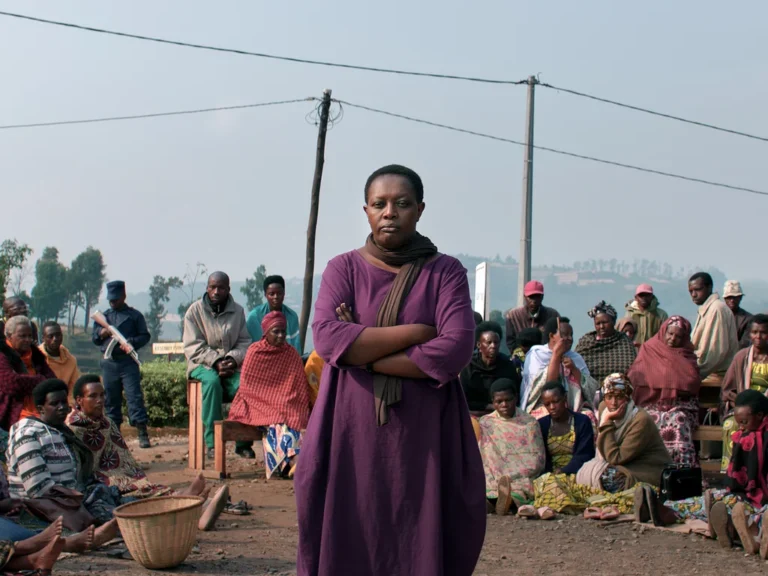
Cannes 2026 opens a blunt conversation about memory and accountability. Marie-Clémentine Dusabejambo’s debut blends documentary truth with a restrained dramatic approach, exploring the long shadow of Rwanda’s 1994 genocide. The film runs 96 minutes and centers on survivors and non-actors whose testimonies shape the narrative.
Dusabejambo lets real experiences guide a measured, cinematic tone, allowing raw recollections to lead the way without melodrama. The result feels intimate and thoughtful, balancing personal memory with a broader social reckoning. Mostafa El Kashef’s widescreen framing creates composed, still imagery that invites contemplation rather than quick emotion.
The story follows Vénéranda, a survivor who becomes a facilitator for dialogue through a national unity and reconciliation program. Her work intersects with a painful family secret: Tina, her daughter, is pregnant by a Hutu man. The film probes how private loyalties collide with communal demands for accountability, without reducing people to simple verdicts.
The performances blend professional actors with non-actors, lending authenticity to the testimonies that populate public spaces. Isabelle Kabano, playing Suzanne, stands out for a mix of moral intensity and tenderness toward Tina. Across the ensemble, the ache of loss is allowed to speak for itself, steering away from easy heroism.
Structurally, the screenplay grants grief room to breathe while maintaining forward momentum toward a reachable future. Dusabejambo uses form as a quiet shield, giving audiences space to confront hard truths without sentimentality. In the end, Ben Imana affirms life and resilience amid memory’s ongoing work.
Source: Original article