Overview
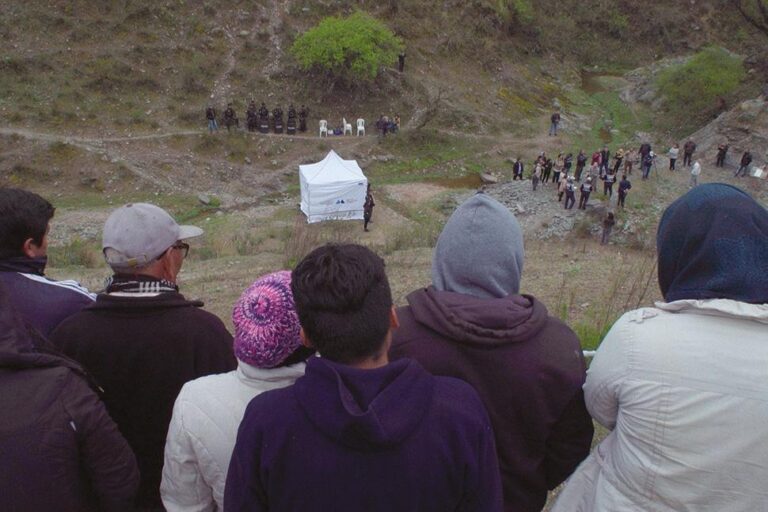
Lucrecia Martel’s documentary dives into a 2009 killing within the Chuschagasta Indigenous community of northern Argentina. The film blends drone-captured imagery, courtroom footage, and raw cellphone videos to pull back the curtain on a colonial history that continues to shape the present.
Visuals and Rhythm
Martel treats the material with a clinical, almost documentary-detached lens. The aerial work starts expansive, then tightens into intimate, almost voyeuristic angles, turning a land dispute into a meditation on power and belonging. A bird colliding with the drone becomes a blunt emblem of the friction between nature and exploitation.
Context and Case
The narrative connects the 16th-century conquest to a contemporary confrontation when mining entrepreneurs arrived on the Chuschagasta land with security support to access a quarry. Javier Chocobar was killed and others were injured in the 2009 clash.
Trial and Aftermath
The 2018 trial laid bare divides within the community and questions about motive. The documentary doesn’t offer neat closure; rather, it presents the human stakes behind headlines. By centering Chocobar’s humanity, Martel reframes the story as a warning about inherited harm from colonization.
Release
Premiering at the Venice Film Festival in 2025, Nuestra Tierra is distributed in the U.S. by Strand Releasing, opening in theaters on May 1.
Grade: A-
Source: Original article