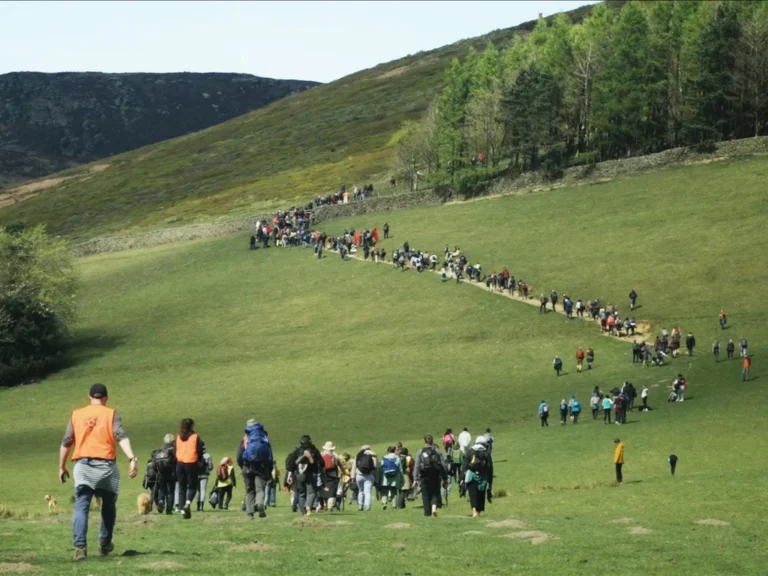
David Jenkins reviews Orban Wallace’s documentary Our Land, a 91-minute examination of access rights in England’s countryside. It arrived in May 2026, framing a debate that pits private land ownership against the public’s right to roam.
The film stacks interviews with on-site footage to show how questions of access ripple through culture, landscape, and daily life. It treats the competing arguments with care while making a clear case for wider public access as a matter of fairness.
Two forces shape the story: organized Right to Roam actions on private land and the gatekeeping stance of some landowners. The documentary keeps both sides in view, but its logic leans toward openness as a practical and ethical path forward.
Francis Fulford, a controversial landowner depicted in the piece, stands as a focal point for the resistance to loosening borders. The film avoids reducing him to a strawman, instead tracing how his views affect communities and public policy.
The structure emphasizes that private boundaries reflect broader social inequalities, suggesting that broadening access can coexist with responsible stewardship. It favors empathy, clarity, and ingenuity in rethinking how a nation treats its countryside.
As a piece of documentary cinema, Our Land lands its argument calmly and convincingly. It leaves viewers with a persuasive invitation to reconsider who counts as a rightful walker in the UK landscape.
Source: Original article