
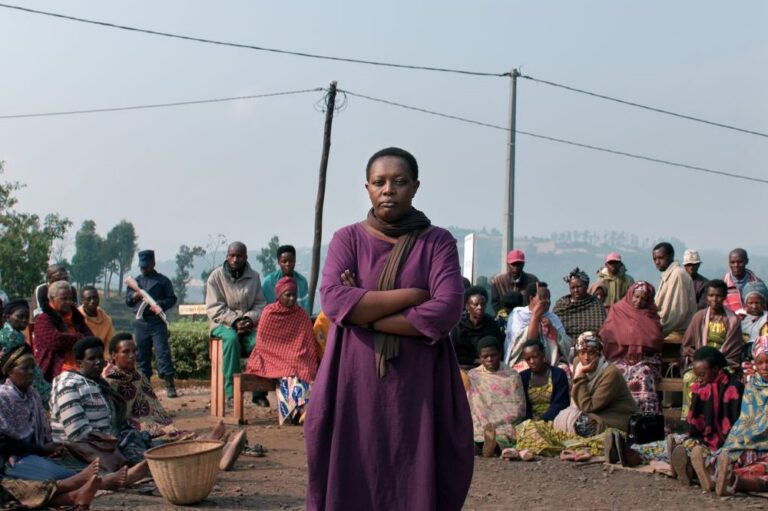
In a rural Rwanda, survivors and former attackers share the same landscape, a setting that shapes Marie-Clémentine Dusabejambo’s Cannes‑award winning debut. Ben Imana frames forgiveness as a difficult, ongoing practice, colliding with memory and the stubborn pull of history.
The film centers on Vénéranda, a steely group leader guiding women through reconciliatory talks in a village church. Her daughter Tina, her sister Suzanne, and other kin are pulled into conversations that expose wounds left by the genocide and by the intimate violence that followed. A pregnancy announcement tests the boundaries of grace and responsibility, weaving personal choice into communal reckoning.
Shot with an intimate, close gaze, the movie probes whether a community can ever fully forget the past. It leans into a paradox: healing rituals and public ceremonies promise closure, even as living memory refuses to let go. Dusabejambo’s point of view feels inward and ethical, preferring a ground‑level inquiry over a distant documentary frame.
Set against the hillside around Kibeho, where memory intertwines with trauma, the film finds its strength in character and dialogue rather than sweeping exposition. It refuses simple answers, delivering a candid, emotionally charged dispatch from a country still negotiating the afterlives of violence.
Context and themes
- Explores forgiveness as a social and personal act within a traumatized community
- Highlights the Rwanda’s Gacaca process and its complex legacy on healing
- Centers on Vénéranda’s family, including Tina and Suzanne, and how memory reshapes their lives
Read More About: Ben Imana, Camera Dor, Cannes Film Festival, and Marie-Clémentine Dusabejambo.
Source: Original article