The Black Ball assembles three intertwined histories into a single, sweeping testament to queer storytelling. Los Javis craft a time-bending drama that blends intimate character study with historical backdrop, anchored by a Lorca-inspired sense of lyricism.
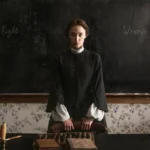
In the 1932 sequence, Carlos, a young man, faces a communal ritual at a casino where a vote decides his fate. The ominous white or black ball signals acceptance or rejection in a world steeped in hostility toward gay desire.
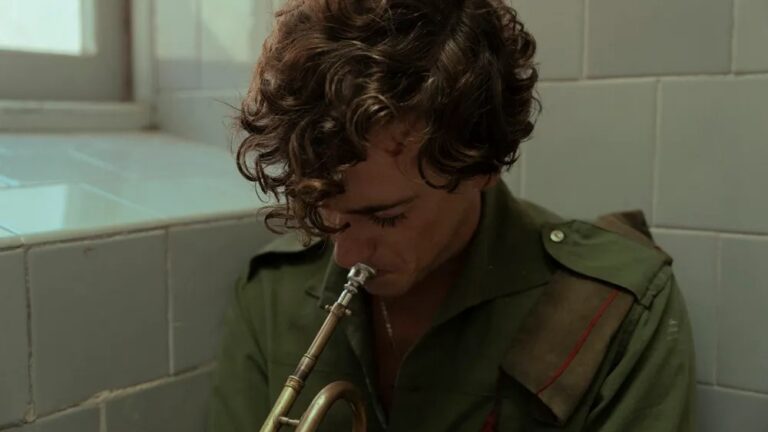
The 1937 chapter follows Sebastián, a trumpet player, and Rafael, a wounded prisoner, as they navigate a forbidden, impossible romance amid the siege and violence of war. The intimacy and danger collide in scenes that feel both tender and brutal, with fiery chemistry and striking imagery.
A modern thread centers on Alberto, a Madrid-based historian who studies queer music from the 1920s. When he learns his grandfather left him a mysterious lead in Calabria, his pursuit links the past to the present and to the stories that came before him.
The fourth thread is a poem-like tribute to the queer storytellers who never had the chance to live fully. Lorca’s spirit appears as a guiding presence, weaving lines from his work into the film’s rhythm and letting memory breathe across time.
Performance and craft stand out: Milo Quifes, Miguel Bernardeau and Guitarricadelafuente anchor the trio of timelines with vivid presence, while Penélope Cruz channels a Vera Lynn-like entertainer in a wartime scene. A contemporary academic role is filled by Glenn Close as Isabelle Durand, a Lorca scholar, whose volume Federica el Poeto Gay becomes a meta touchstone for the project.
Audiences at Cannes in 2026 were treated to a bold, affectionate, and formally daring debut from Los Javis. By design, the film feels like a long, uninterrupted musical piece whose themes of love, loss, and artistic endurance echo through every era.
Grade: A
Source: Original article