
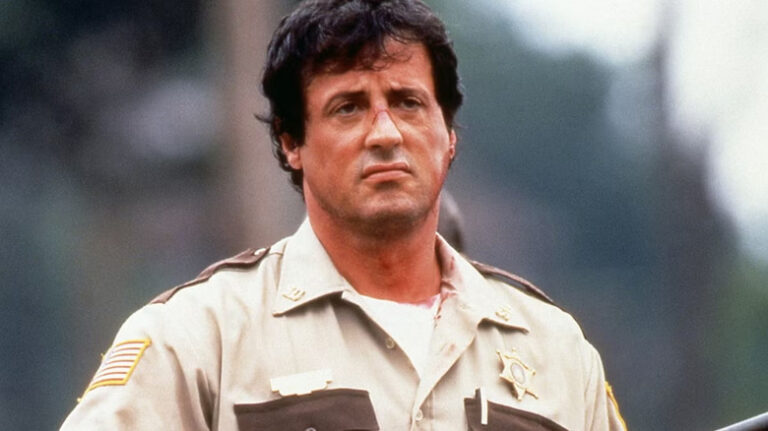
James Mangold’s Cop Land stands out as a 1997 thriller that doubles as a lean meditation on power and loyalty. Set in a New Jersey town teeming with undercover NYPD cops, the film follows Freddy Heflin, a sheriff who’s worn down by duty and self-doubt. Stallone delivers a quiet, restrained performance that emphasizes fatigue over bravado.
The ensemble reads like a Scorsese‑era lineup, with Robert De Niro, Harvey Keitel, Ray Liotta, and Annabella Sciorra delivering grounded, tough performances. Mangold favors texture and mood over fireworks, anchoring the drama in the human toll of corruption and loyalty to the badge.
The story centers on a cover‑up among a group of officers who use the town as a shield to protect a reckless nephew who gunned down unarmed men. Freddy is pulled between silence and conscience as Internal Affairs closes in, pushing him toward a decision that could upend everything he believes about justice. The film crescendos in a stark, Western‑tinged sequence that pits a lone lawman against a corrupt network.
Viewed through a contemporary lens, Cop Land feels like a modern Western transplanted to the New Jersey coast. Stallone’s portrayal of a worn, yearning sheriff sits beside De Niro’s steely presence and Liotta’s prickly energy, forging a melancholy portrait of a town at crossroads. It’s a compact, character‑driven thriller that rewards patient watching and rewatching.
Why it deserves a fresh look
While it didn’t become a box‑office smash, Cop Land has built a quiet reputation for its tone, its performances, and its incisive take on corruption and community. If you crave a movie that marries frontier‑era ethics with a late‑20th‑century setting, this title delivers with quiet power.
Source: Original article