
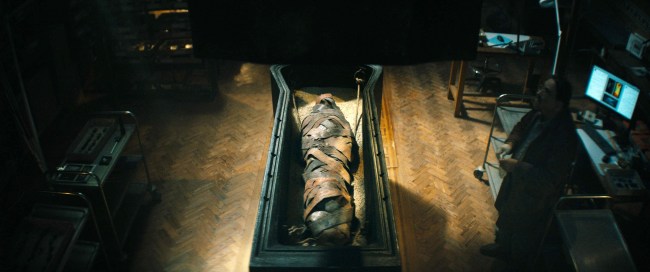
Long before audiences got a real look at Lee Cronin’s The Mummy, the project was beset by online rumor and speculation. Early whispers claimed the film had changed titles or was in trouble, and talk of a reunion with actors from the ’90s franchise fed the online frenzy. Cronin told IndieWire that the noise existed to protect the project, but it had no bearing on the work he was making.
When asked about the rumor mill, Cronin called the chatter irritating and groundless, noting that studios often use code words to shield what’s ahead rather than signal collapse. He chose not to respond in kind, trusting the movie to answer the questions the fevered chatter raised.

The story shifts between Cairo and a sunlit New Mexico home, as a family confronts a terror that arrives disguised as a prodigal figure. Katie Cannon disappears; years later, a visitor who resembles her returns, dragging the family into a harrowing collision of ancient myth and domestic life. Cronin’s script blends Egyptian lore, Catholic imagery, and a tense family dynamic to craft a horror that feels personal and modern.
The director underscored the painstaking level of research that informs the film, from North African visuals to preserved bog bodies studied in Dublin’s National Museum. He and his cinematographer Dave Garbett avoided a lockstep shot list, instead moving with their instincts to keep the storytelling dynamic and responsive on set.
Lighting plays a key role, with daylight used to unsettling effect as much as darkness. Cronin says he was confident he could unsettle audiences even in bright sun, a stylistic shift that distinguishes this mummy story from traditional fright tactics.
Post-production was brutal but rewarding. An early cut stretched to nearly four hours, and editor Bryan Shaw spent months trimming and shaping rhythm to maintain a fierce pace without losing the film’s emotional core. The result balances gnarly shocks with a surprising, grounded humanity.
Marketing the film with Cronin’s name in the title is part of a broader industry push to highlight auteurs as brands. Cronin acknowledged the choice wasn’t his initially, but he embraced it when executive teams believed in him, giving him confidence to push his voice into the final cut.
In the heat of production, Cronin also leaned into collaborative experimentation. He would propose lines moments before action, nudging performances in fresh directions. He even toyed with a line about feasting on a character to spark a tense moment, and the actor ran with it, fueling a standout sequence.
As the film nears its release, Cronin reflects on the personal connection fueling The Mummy. The project arrived amid grief—his mother died the morning he finished Evil Dead Rise—and the film became a way to channel that loss. A wake memory, including his mother’s false teeth, sparked a scene that resonates throughout the story.
“Lee Cronin’s The Mummy” lands in theaters on April 17, continuing his practice of mixing invention with intimate pain, and a sensory, sunlit dread that lingers long after the credits roll.
Source: Original article