
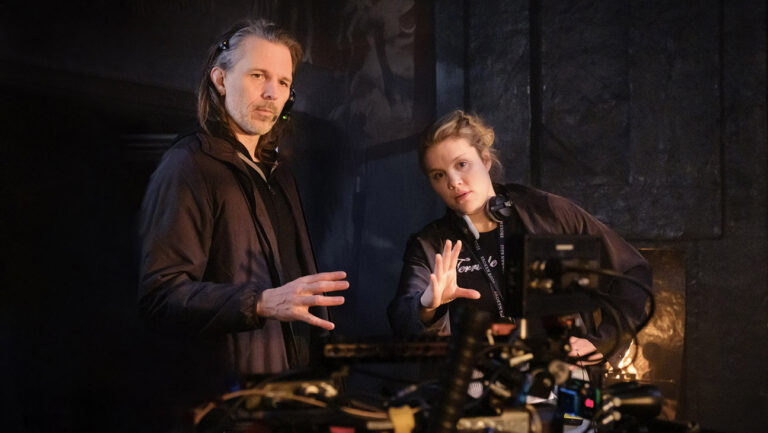
VistaVision is enjoying a renewed spotlight in modern cinema, thanks to a filmmaker who has learned to ride its grain and clarity. Linus Sandgren, the Oscar-winning cinematographer behind Wuthering Heights, describes how format choices are driven by the story rather than trends. He notes that Emerald Fennell’s reimagining of Emily Brontë’s novel favors a tactile, impressionistic look achieved primarily on standard 35mm, with VistaVision reserved for key landscape and wide interior moments.
For Wuthering Heights, the team aimed to balance detail with film texture. They tested 65mm but found the grain too clean for the mood, so most exterior and expansive scenes were captured with high‑resolution 35mm using VistaVision’s sensibility. The result is a look that preserves fine detail in the moors while maintaining the organic texture audiences associate with film.
The revival of VistaVision has been building since Brady Corbet’s The Brutalist and has spread to other recent projects, including Paul Thomas Anderson’s One Battle After Another and Yorgos Lanthimos’s Bugonia, among others. In a cinema climate already cautious about costs and formats, VistaVision offers a premium, large‑format option without sacrificing the familiar grain that anchors a film in its era.
Sandgren argues that image sharpness alone isn’t everything. He says directors who like the crispness of digital can still achieve a similarly sharp aesthetic with certain film formats, as long as the format’s texture remains intact. IMAX, by contrast, delivers maximum scale but can trade away texture; for Dune: Part Three, he used IMAX selectively to realize Denis Villeneuve’s sweeping ambitions while still relying on 35mm grain where it matters most.
He has contributed to IMAX’s development in small ways, advocating for quieter cameras and better integration with sound. Yet he remains wary of letting a format drive the story. “The format should serve the story, not dictate it,” he explains. He admires film for its emotional cadence but acknowledges it’s expensive and sometimes a challenge to finance.
Looking ahead, Sandgren continues to embrace film’s possibilities while staying open to digital when the script calls for it. He’s shot across a spectrum of formats throughout his career and believes the best choice is the one that serves the narrative. The bottom line, he says, is that the story should determine the format—format is a tool, not a mandate.
Wuthering Heights is now available on 4K.
Source: Original article