
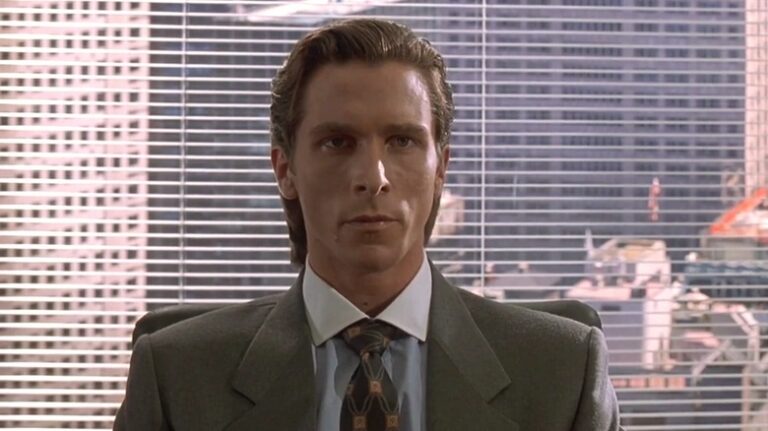
Mary Harron’s American Psycho has endured as a touchstone in horror and satire, even as opinions about it persist. The film’s sharp portrait of Patrick Bateman, a Wall Street creature consumed by consumer culture, still sparks debate online.
Two guardrails guiding the adaptation
Screenwriter Guinevere Turner recalls two rules that shaped the script. First, Bateman would never be shown at his job, underscoring his hollow, money‑driven persona. Second, violence would stay off screen or be only implied.
Turner explains that they spared the second rule in one calculated moment: a deliberately brutal scene featuring a blood‑soaked Bateman chasing a woman with a chainsaw. The aim was to prompt audiences to imagine what happened and to explore whether the film was commenting on perception as much as on crime. The sequence acts as a nod to what the movie could have become and deepens Bateman’s mystique.
A turning point in casting and direction
Behind the scenes, Harron’s leadership helped shape the final film. Bale’s Bateman blends pitiable vanity with sudden cruelty, giving the character both humor and menace. The chainsaw moment tilts the film into a surreal space that invites questions about whether Bateman’s crimes are real or the product of his ego‑driven psychosis.
There was a detour in the production when Harron was briefly replaced after the studio pressed to cast Leonardo DiCaprio. Oliver Stone stepped in for a short stretch, but DiCaprio ultimately left to film The Beach, opening the door for Harron to return and for Bale to lead. The result is a satire‑meets‑horror film that endures as a cultural touchstone.
A future reimagining
The conversation around American Psycho continues, with reports of a remake from Luca Guadagnino. Whether a new version can recapture the original’s balance of sly humor and unsettling violence remains to be seen, but the story’s ongoing resonance keeps the debate alive.
Source: Original article