
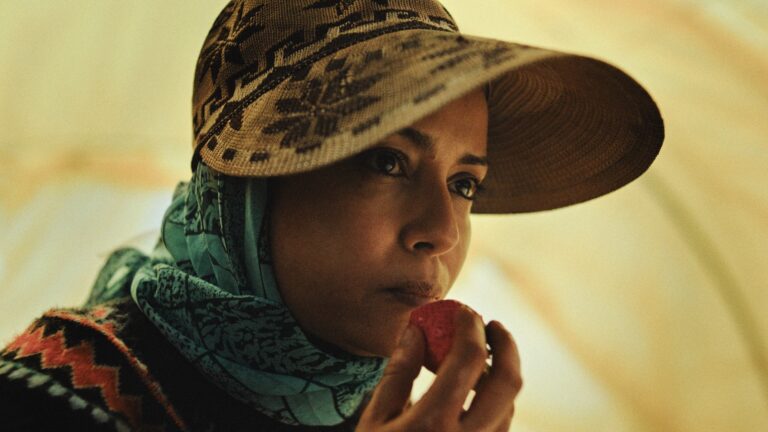
Cannes is spotlighting Strawberries, the new film from Moroccan director Laïla Marrakchi. Set amid Spain’s strawberry harvest, the drama grills questions about modern slavery, exploitation, and the reach of neocolonial dynamics. Marrakchi says the project aims to illuminate women who are frequently unseen.
The story draws on real-life reports of Moroccan workers who travel for seasonal harvests to send money home. Conditions can be brutal: crowded housing, delayed or unpaid wages, and, at times, harassment or coercive situations. While some women do return with funds and a changed life, others endure hardship; the film presents a spectrum to convey the complexity of the issue.
Language barriers and the risk of misinterpretation complicate these journeys, a theme Marrakchi ties to broader relations between the Global North and South. She describes the work as a lens on a system of power that can erase voices when people lack training or language skills.
The production casts real Moroccan pickers as extras to ground the tale in lived experience. The ensemble includes Nisrin Erradi, Hind Braik, Fatima Attif and others, with Itsaso Arana among the principal performers. Juliette Schrameck produces through Lumen, collaborating with Morocco’s Mont Fleuri Production, Spain’s Fasten Films, and Belgium’s Mirage Films.
In the filmmaker’s view, the title’s two forms—The Sweetest and Strawberries—signal a dual reality: the dream of a better life paired with the hard labor required to pursue it. The film intends to portray these women as multi-dimensional protagonists, capable of strength and solidarity as well as frailty.
She emphasizes the goal of giving visibility to women who are often tucked away from the spotlight, turning their experiences into a tribute to resilience and camaraderie.
The Cannes premiere is expected to unfold in the festival’s Un Certain Regard section, a launch Marrakchi hopes will spark conversations about labor, gender, and cross-cultural power plays on a global stage.
Source: Original article