
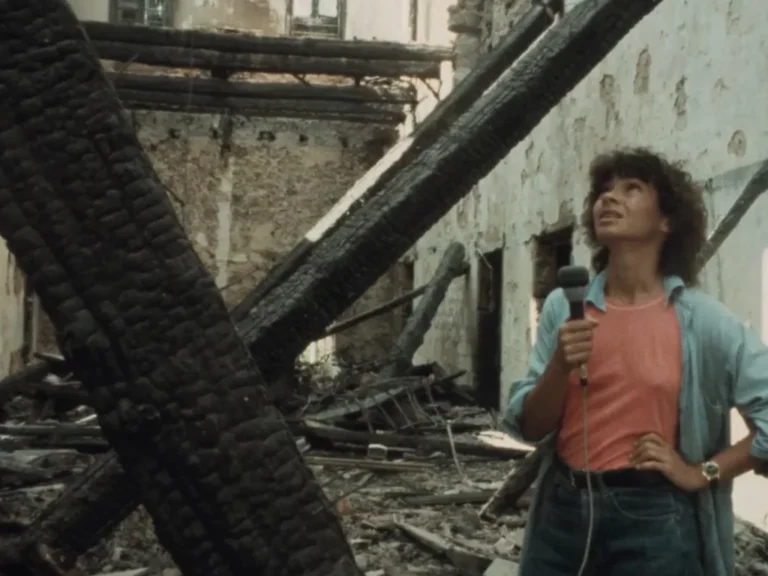
Lebanon’s current unrest casts a sharper light on Jocelyne Saab’s Beirut Trilogy, a trio of documentaries that turn memory into witness. As violence flares anew, Saab’s films acquire an urgency and a quiet sadness, insisting that life persists even as cities crumble.
The trilogy — Beirut, Never Again (1976), A Letter from Beirut (1978), and Beirut, My City (1983) — blends documentary observation with intimate testimony to reveal a country torn by war, occupation, and shifting alliances. Saab’s approach links the political to the personal, making daily life under siege feel like a living history.
Beirut, Never Again opens with the screech of gunfire, juxtaposing ruined streets with a narrator’s lament for a city that once thrived. The film’s strength lies in its dual gaze—haunting poetry paired with the stubborn present tense of its subjects.
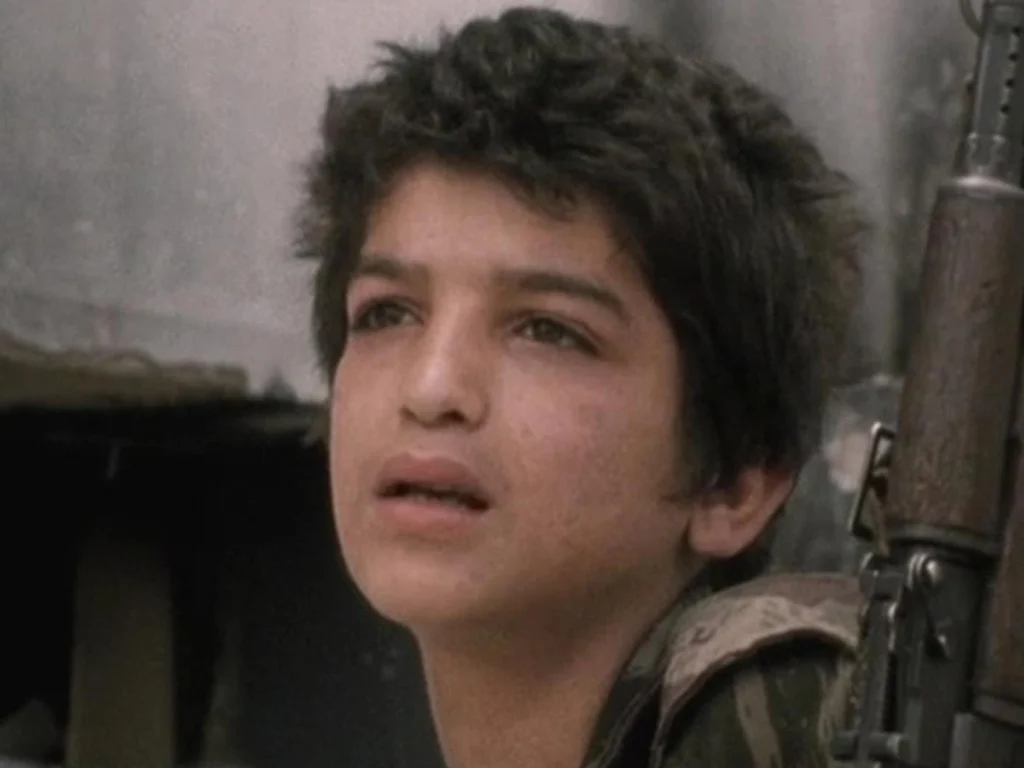
A Letter from Beirut continues Saab’s intimate reportage, tracing candid bus conversations that illuminate the toll of war. People speak of places they cannot reach, homes lost to bombardment, and relatives who have vanished. A telling moment shows a boy naming houses only to reveal their destruction on screen.
Beirut, My City intensifies the inquiry, ending with a narrator hinting at the Sabra and Shatila massacre. The archival footage is framed by hindsight, so every image feels haunted by a future tragedy that has already begun. The trilogy binds past, present, and looming doom into a single, unflinching meditation on a city at war.
Today’s conflicts—documented as casualties rise and families are displaced—echo Saab’s observations. The piece argues that patterns of domicide and destruction recur across Lebanon, Gaza, and beyond, even as Saab remains clear-eyed about who bears the oppression and who bears the burden of resilience. The films also spotlight human connection: a bus driver and passenger sharing a brief, warm moment; neighbors lending each other a hand amid rubble.
Ultimately, Saab’s Beirut Trilogy holds a stubborn belief in the endurance of life and the importance of memory. It asks whether any future can emerge without reckoning with the past and the people who refused to stop caring in the middle of catastrophe.
Further reading
Club LWLies and related features continue to explore cinema’s responses to conflict, memory, and the region’s ongoing story.
Source: Original article