
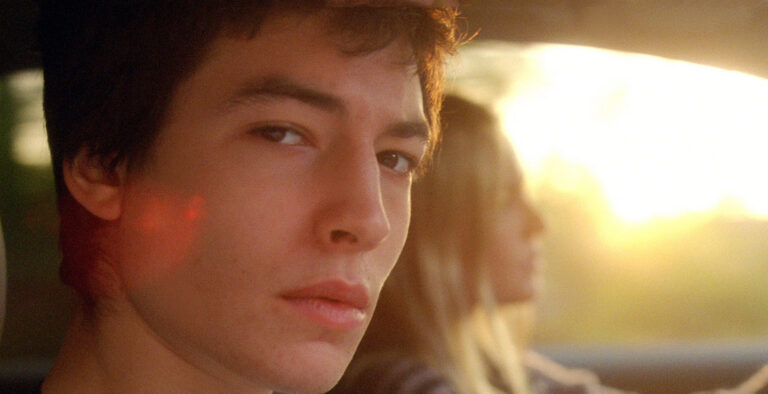
A fresh look at Sam Levinson’s 2011 Sundance debut reframes how his later work, notably Euphoria, springs from a volatile family drama. Another Happy Day follows a chaotic suburban wedding, centering on Elliott Hellman and his mother Lynn as they navigate a web of fraught relationships. The film pulses with a midnight‑movie energy, even as its tonal shifts feel imperfect; still, it marks a clear through line in Levinson’s evolving sensibility.
This piece digs into where the debut stumbles and where it foreshadows the director’s later preoccupations. The response at the time was mixed, but the movie remains a provocative curio worth reconsidering for what it signals about Levinson’s trajectory and the Euphoria era that followed.
The Debut That Foreshadowed Levinson’s TV World
Set around a wedding in suburban Maryland, the story tracks Elliott and his beleaguered mother as relatives collide in a charged, often cruel atmosphere. The film lacks the sheen and budget of Levinson’s later TV work, and the absence of a Zendaya‑level presence makes some missteps feel harsher. Yet the director’s sharp, if abrasive, dialogue and his knack for claustrophobic staging still leap from the frame.
As the ensemble erupts, Levinson threads themes of addiction, trauma, and intergenerational friction. The fierce humor and bleak tenderness hint at the tonal experiments that would define Euphoria, even if the execution remains uneven.

Characters on Edge and a Lean Ending
The cast carries heavy material, with Lynn’s brittle resilience anchored by Ellen Barkin’s performance. The family’s cycles of dysfunction and ambiguity drive the drama, though some threads feel underdeveloped and the finale leans toward restraint rather than catharsis. That restraint is often cited as a flaw, a sign that the momentum doesn’t fully cohere.

Echoes That Shape Euphoria’s Promise and Pitfalls
Seen through the lens of Euphoria, the film reads as a primer on Levinson’s core preoccupations — addiction, family trauma, and the lure of showy set pieces that sometimes overshadow inner life. The later series’ tonal wobbles and protracted production cycles echo these same preoccupations, albeit on a broader canvas with more refinement.

In Levinson’s arc, this early work exposes both a nimble instinct for drama and a blind spot for fully elevating adult characters. The film’s awkward balance between arch comedy and gritty realism is a recurring theme in his career, and the debate about whether it overreaches or undercooks its material continues to spark discussion.

As Euphoria’s seasons expanded, critics often triangulated the show with Levinson’s indie beginnings. The third season’s approaching premiere invites a measured reevaluation of Another Happy Day as a reference point—one that helps explain why the show sometimes feels ambitious yet destabilized by its own scale.

In the end, the film remains a midnight‑movie in spirit: provocative, abrasive, and unmistakably of its time. Rethinking it alongside Euphoria offers a nuanced view of Levinson’s evolution as a writer and director, and why his most celebrated work sometimes casts a long shadow over his less assertive projects.
Source: Original article