

Long before Vulcans became the archetype of calm, their history carried flashes of raw conflict. Early lore hints at a people capable of fierce action, not yet the disciplined philosophers they’re known as today.
Change arrives with Surak, a central figure credited with steering Vulcan society toward reason. According to Trek lore, the pivot happens around year AD 300, when logic becomes the governing creed and emotion is regulated. The period called the Time of Awakening marks this shift, anchoring a generation to restraint and peaceful purpose.
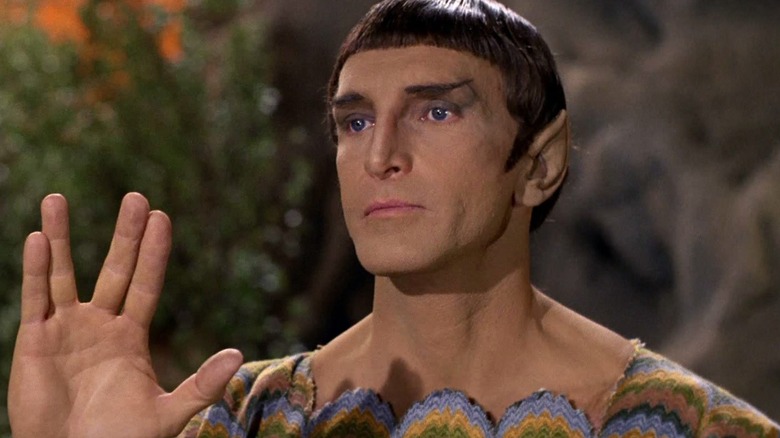
Surak’s life is wrapped in legend. He’s portrayed as a beacon who stood for reason even as the world around him teetered between conflict and change. His death—borne of radiation from a nuclear blast—made his teachings a lasting blueprint: logic as a path to order, peace, and self-mastery.
Even as logic spread, Vulcan society wasn’t instantly flawless. Stories note ongoing tensions, hidden practices, and pockets of militarism. Mind-melding, in particular, was once a taboo topic, with censorship and tradition shaping who could learn it. These currents show a culture wrestling with how much emotion is acceptable, even as rational aims guide policy and life.
From first contact to a broader horizon
Vulcans meet humans in a pivotal moment, then help Earth recover after a war, even as they caution against letting humanity rush toward the stars with its warp technology. The first Starfleet expedition doesn’t set sail until 2151, a reminder that exploration—like understanding oneself—takes time. The encounter sparks both growth and growing pains, nudging Vulcan society toward greater openness, guided by a philosophy that values diversity in all its forms.
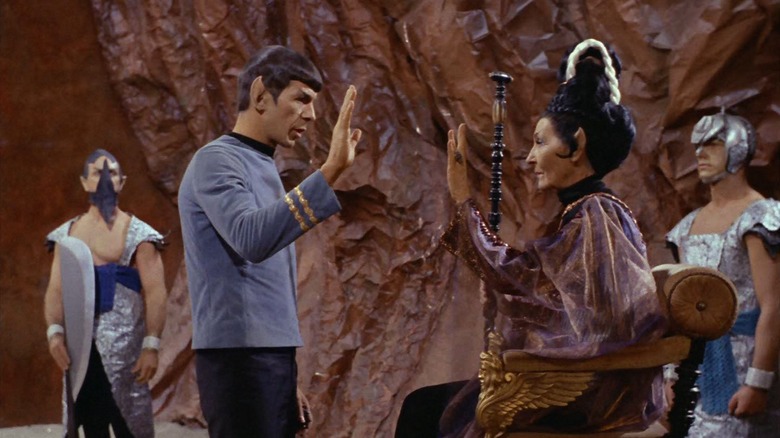
As centuries pass, the arc of Vulcan logic remains complex. Splinter factions and offworld enclaves—like the Romulan diaspora and other Vulcan offshoots—reflect the tension between unwavering reason and the pull of emotion, politics, and secrecy. Yet the core idea endures: the search for a peaceful, rational path forward, even amid disagreement and change.
Continuing growth, on screen and in lore
Today’s portrayal of Vulcans blends stoicism with an awareness that logic alone cannot erase every human virtue or vice. The saga of Surak and the Time of Awakening offers a foundational myth about how a society negotiates feeling, fear, and reason—and why that negotiation remains central to Star Trek’s storytelling.
Source: Original article