
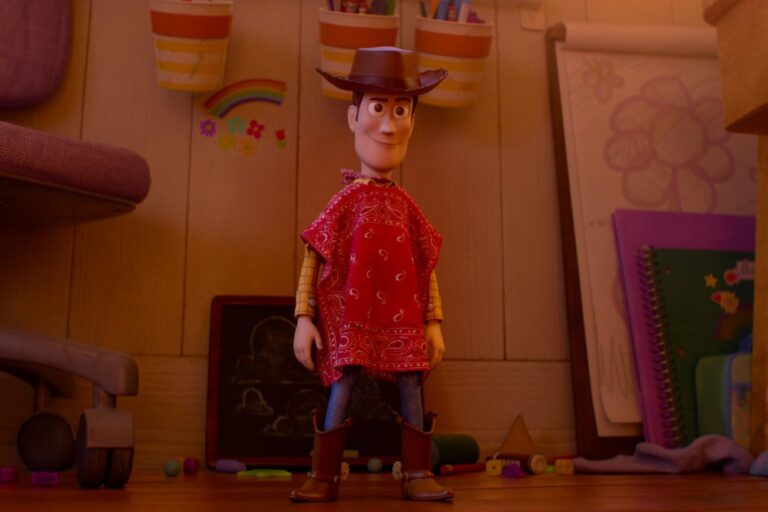
Pixar’s Toy Story 5 shifts the spotlight to Woody’s aging arc while introducing Lilypad as a new presence that isn’t cast as the film’s villain. The studio frames this entry as a bridge between nostalgia and a fresh look at how kids interact with tech.
Woody’s aging arc
Directors describe Woody as embracing retirement with a gentler purpose. He’s still active, but more devoted to letting others take the lead. The reveal of a balding crown serves as a visual cue for years of adventurous rescues and playtime steadiness.
Lilypad is not the foe
According to the filmmakers, Lilypad represents a natural shift in Bonnie’s life. She’s designed to help the toys move forward, not to threaten them. The team wrestled with the idea of making her a villain, but they decided the story’s reality—our modern devices and how they shape childhood—demands nuance rather than antagonism.
Jessie’s recalibrated role
Jessie steps into a leading position as the toys confront memories and changing times. Her arc promises emotional resonance as old loyalties meet new technological currents.
The tech lineup
The film introduces a trio of gadget-minded toys. Smarty Pants is voiced by Conan O’Brien, with Atlas by Craig Robinson and Snappy by Shelby Rabara. Their designs nod to the era of reusable tech toys, blending nostalgia with modern flair. Smarty Pants, shaped by a potty-training motif, sports a modest, retro display that contrasts with touchscreens seen elsewhere.
Blaze and the imagination
Blaze—an Emily’s-house resident who loves riding real horses—embodies a bridge between fantasy and real-world passions. Her appearance pushed Pixar to refine animation for authentic hair and movement, signaling a broader future for diverse visuals across its films.
Imagination vs. screens
A memorable sequence dives into Bonnie’s imaginative world, revealing the stakes of protecting imagination amid pervasive screens. The scene underlines the movie’s core message: creativity remains essential even as technology reshapes how children play.
Buzz and the new era of play
The high-tech Buzz Lightyear figures bring a fresh look to the toy chest, with digital displays and upgraded joints. The visuals explore a landscape that feels both familiar and unexpectedly cinematic, including a dramatic underwater moment with multiple Buzz figures.
Bringing Lilypad to life
Lilypad’s on-screen presence required parallel animation tracks: traditional motion for her body and a separate process for what appears on her screen. Early tests included a virtual sketching tool to help artists imagine what might be displayed in her interface.
A familiar hand on the score
Randy Newman returns to compose the score, bringing his signature blend of warmth and bite. The team hints at sweeping, Western-influenced cues for pivotal moments as the story expands into a broader frontier of emotion and tech.
Technology, not AI
Stanton stresses that Toy Story 5 is a same-genre effort crafted by artists, not AI. Pixar has long used machine learning to support workflows, but the creative heart of the film remains human, with the team emphasizing collaboration over automation.
Read More About: Toy Story 5
Source: Original article