
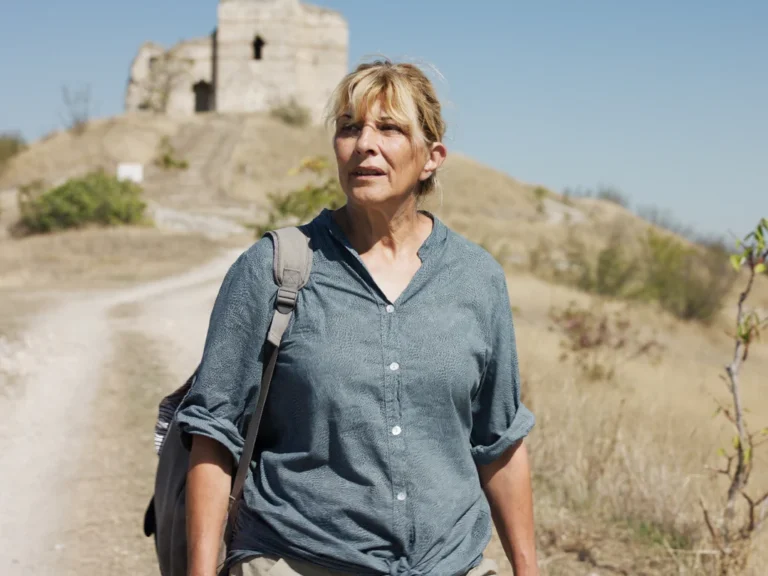
A sprawling Bulgarian noir for Cannes
Valeska Grisebach returns with a sweeping drama that surveys a border town where old loyalties collide with new wealth. Veska, an archaeologist by training, teams up with Said, a local man pulled into the town’s underground economy as capitalism reshapes life on the edge of Europe. The film runs 167 minutes, and its patient rhythm rewards careful attention with a deeply humane mood.
Two leads at the center
Said, a resident of Svilengrad, negotiates with a smuggler known as the Raven to secure diesel, while rival power brokers loom large in the background. Iliya, a local kingpin, anchors the criminal network, and Said’s past binds him to the town’s shifting fortunes. Veska, educated and worldly, invites Said to join her hilltop dig, and her presence unsettles those who have long depended on discreet deals.
Observational, humanist cinema
Grisebach favors observation over exposition. She maps a world of markets, hotels, and ruins with a documentary eye, letting chance interactions reveal the social exchanges that govern this place. Recurrent late-night scenes—people wandering from lodging to dimly lit rooms, trading stories under the glow of a bug lamp—build a sense of community amid the tension.
Gender and power at the heart of the story
Veska’s leadership reshapes the town’s balance as she unearths secrets and threads together competing agendas without losing her footing. The film centers a strong, reflective female figure, while letting male power players course through the background. Performances anchor the mood: Syuleyman Letifov brings a wary, grounded presence; Yana Radeva delivers a poised, resolute turn that feels both intelligent and humane.
In scope and mood, The Dreamed Adventure expands Grisebach’s cinematic universe, leaning into a panoramic view of a community negotiating power, gender dynamics, and the pressures of capitalism. Its generous tempo rewards patient viewers and culminates in a broader meditation on human connection.
Source: Original article