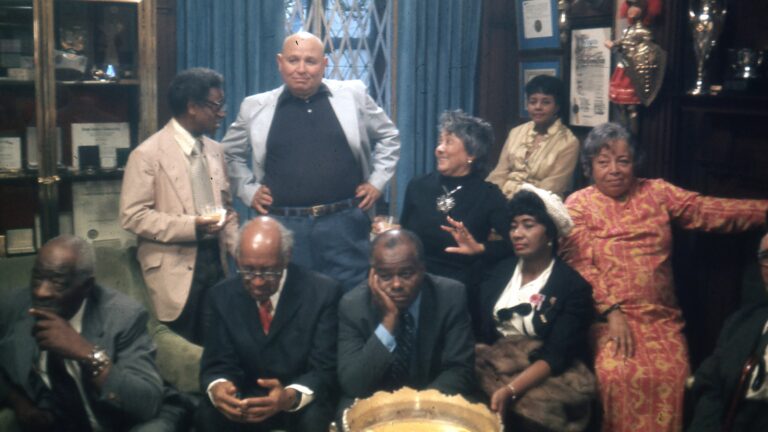
Film visionary William Greaves conceived a living archive from Harlem’s Renaissance, staging a party at Duke Ellington’s home with three 16mm cameras rolling. The approach was to document the attendees in a candid, cinema‑verite style, a method the filmmaker helped popularize in nonfiction cinema.
His son, David Greaves, served as a camera operator during the Ellington gathering and would later shepherd the project to completion after his father’s death in 2014. In Cannes, David described the ambition as bigger than a single event; Louise Archambault Greaves kept filming for years, expanding the material to map Harlem’s evolving cultural timeline beyond the party itself.
From party footage to a broader vision
Greaves’s original treatment imagined Sidney Poitier providing narration and a string of contemporary interviews tracing how the Renaissance still resonated. Louise extended the project, offering a wider view of Harlem in the 1980s and showing how the Black arts movement grew out of that early moment.
A story of lineage and presence
The finished film foregrounds the transmission of culture across generations. David decided to center his father within the narrative, a choice that begins the film with William on screen and places him there again at the close.
The takeaway is a meditation on legacy: how a city’s artistic heartbeat travels from one era to the next, shaping the present through memory and influence.
David also spoke about poring over his father’s marginalia and library notes, using those clues to preserve the film’s guiding ideas while shaping the final edit. The result preserves the sense of orchestration that Greaves intended while narrowing the focus to the emblematic Harlem gathering.
Neon is releasing the finished feature in U.S. theaters this October, opening Greaves’s long‑gestating project to new audiences.
For added context, the conversation with David Greaves offers deeper insight into how the work came together and what it means today.
Source: Original article