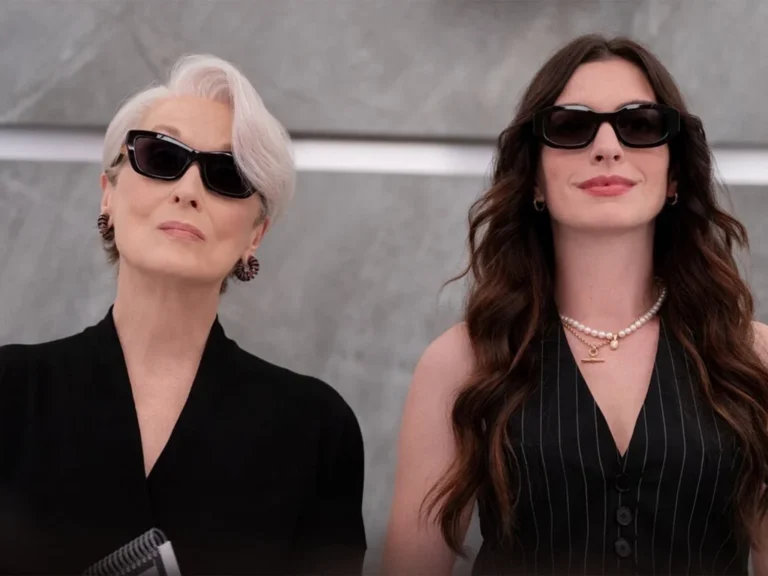
Two decades on, The Devil Wears Prada returns with a calmer, more reflective mood than the first film. The fashion world has shifted toward online culture and rapid turnover, and the sequel settles into a bleaker, more moral universe for its characters. Andy Sachs comes back to Runway just as she is being celebrated for investigative reporting, following a layoff at The Vanguard that sent her colleagues into the wings.
The reunion of the original cast under director David Frankel and writer Aline Brosh McKenna preserves the film’s wit while letting the tempo breathe. Meryl Streep remains commanding as Miranda Priestley, but the character feels more worn by change and the constraints of HR. Anne Hathaway’s Andy projects steadiness and keeps a sharp dynamic with Nigel (Stanley Tucci), whose fashion department charm endures.
Emily Blunt’s Emily reveals a darker arc, entangled in a toxic relationship with a tech‑mogul who epitomizes the industry’s unsavory edge. The score by Theodore Shapiro threads familiar motifs from the original, but the sound now carries a hint of menace. The wardrobe nods to Vivienne Westwood and Alexander McQueen, shifting away from the original’s Tom Ford vibe and signaling a moodier era.
As a legacy sequel, Prada 2 delivers callbacks, cameos, and plentiful jokes, yet it also stands on its own as a more complex, emotionally resonant chapter. The result is a stylish, surprisingly multi‑layered film that imagines how these characters have evolved—and how the industry has, too.
Source: Original article