
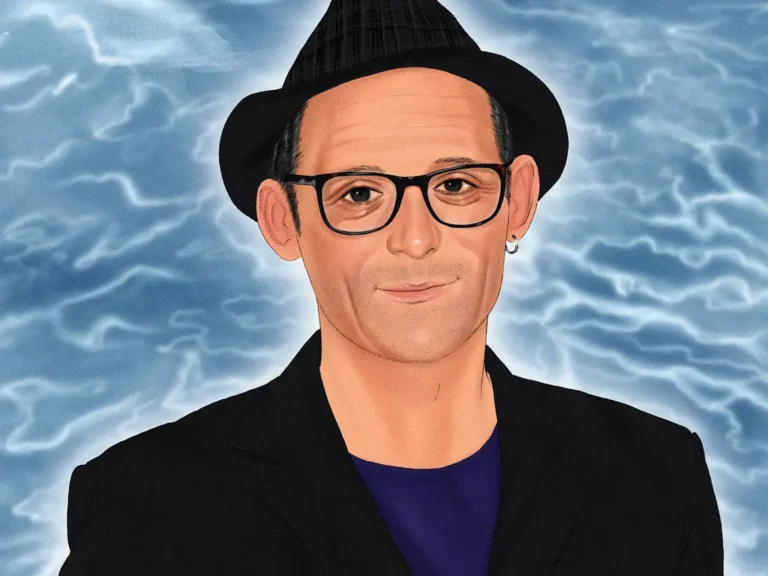
Filmmaker Mark Jenkin remains devoted to a hands-on, self-reliant approach to cinema, where memory acts as a creative engine. He shoots with a hand-cranked Bolex and handles the soundscape himself, from on-set dialogue to the final mix in post. This craft-first mindset has carried through his breakout Bait, his follow-up Enys Men, and his new Cornish time-travel drama, Rose of Nevada.
Rose of Nevada teams Jenkin with George MacKay and Callum Turner in a story that blends memory, place, and time-twisting fantasy. The production favored practical work on land with only a few long sea days to establish the setting, while much of the film leans on intimate close-ups—hands at work, faces in thought—set against a working harbor.
In keeping with his lean style, Jenkin typically shoots just two takes per setup, reserving extra takes only when a performance or camera move begs for it. He laughs about the recurring demand for a third take, joking that his cast member Cal Turner earned the nickname “Three Takes Turner” on set.
He works without a traditional storyboard; instead he compiles a shooting list and lets the edit reveal what’s missing. He favors close-ups over sprawling master shots and uses non-linear editing to reconfigure scenes, often discovering new angles in the cut. For this larger ensemble, some actors contribute ideas during blocking, but the director still guards against an abundance of footage.
Jenkin has described how the casting evolved—he initially imagined George in a different role but, meeting him, realized he embodied the other character’s essence. The dynamic between the two leads grew into a mirrored pairing, each man shaping the part that suits him best, with age and energy aligning to drive the narrative.
A recurring theme for the filmmaker is hireth, a Cornish word for longing for home. Nostalgia threads through Rose of Nevada and Jenkin’s own psychology, with the film echoing a longing for a place, a time, or a familiar atmosphere—an impulse he says helps him move forward by looking backward.
Watching David Cronenberg’s The Dead Zone as a youngster left a deep impression on him—fear and sacrifice framed as acts that benefit a community. Jenkin hoped to weave that resonance into Rose of Nevada, but licensing restrictions prevented using the exact scene. Still, the tonal echo remains a touchstone for the film’s ambitions.
Beyond Rose, Jenkin’s practice remains a tactile blend of image and sound. He cherishes the lineage of analog equipment and the thrill of shaping a world with his own hands, a return to the passions that first pulled him toward cameras and tape. It’s this ongoing, hands-on curiosity that keeps him producing work he loves.
Source: Original article