Around the Clock Cinema: a 24‑hour experiment
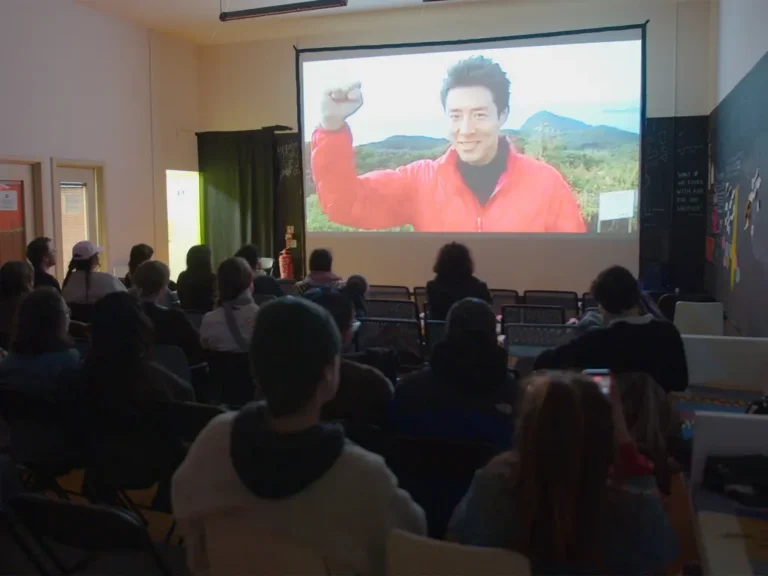
In London’s Kentish Town, a day‑long screening marathon dismantled the usual cinema script. Double Wonderful staged an open‑ended event where people could come and go without fixed start times or pre‑released titles.
The idea was to celebrate the chaos of crowds rather than police etiquette. The venue shifted with its audience, leaning toward a hybrid space that felt like both a cinema and a community hub.
As the hours passed, the room reassembled into changing micro‑audiences. At 10 p.m. the atmosphere settled into quiet focus; by midnight the energy rose as a chorus of voices rose from the aisles, bottles clinked, and a screening of Brian De Palma’s Hi Mom! played on.
Willingness to surrender control defined the night. Each title arrived with a cold open, inviting viewers to abandon expectations and let the night unfold. The lineup mixed known crowd‑pleasers with lesser‑seen rarity, including Boris Gerrets’ People I Could Be And Maybe Am, Sion Sono’s Bad Film, and Arran Ashan and Mustafa Mohamoud’s 6 TILL 6, chosen to tempt the true film hunters.
Regulars like Kleo and Abijan found the space calming, even as they wandered through a marathon that never fully slept. Tom, a cinephile who stayed for seven hours, described the experience as watching the room as much as the screen—a back‑of‑the‑bus vigilance that lets the crowd set the pace.
Collaborator Jude rode a wave of constant company and one Monster energy drink, savoring the event’s messy, uncertain energy. He spoke of London’s scarcity of 24‑hour spaces and of how a city’s late‑night infrastructure can undermine bold ideas, from closed bakeries to quiet streets after midnight.
Double Wonderful’s night turned the cinema into a porous, communal stage—an experiment in public space as performance. It left me questioning whether strict cinema etiquette is less about respect and more about how we share rooms with strangers when the night is alive with possibility.
Club LWLies
Little White Lies remains committed to championing bold cinema and the people who make it, and to hosting community‑driven events that spark new ways of watching together.
Source: Original article