
Jim Jarmusch’s Father Mother Sister Brother unfolds as a measured, affectionate study of how family life bends under time and memory. The film gathers three intimate scenes that peer into the moments when adult children confront their parents’ realities.
The triptych splits into Father, Mother, and Sister Brother, tracking how each reunion reconfigures who these people are. In the New Jersey segment, Jeff (Adam Driver) and Em (Mayim Bialik) travel to see their recently separated father. The quiet, restrained performances reveal subtle tensions—money worries, pride, and the weight of shared history—while hints like a burgundy palette and a gleaming Rolex underline the family’s status anxieties.
The visit is brisk but revealing. Jeff speaks with a grave calm, Em cuts through pretense with a wry bluntness, and the father’s evasions steadily loosen the frame. The encounter ends not with answers but with a sense that parental lives resist full explanation, inviting viewers to contemplate the unknowable layers beneath the surface.
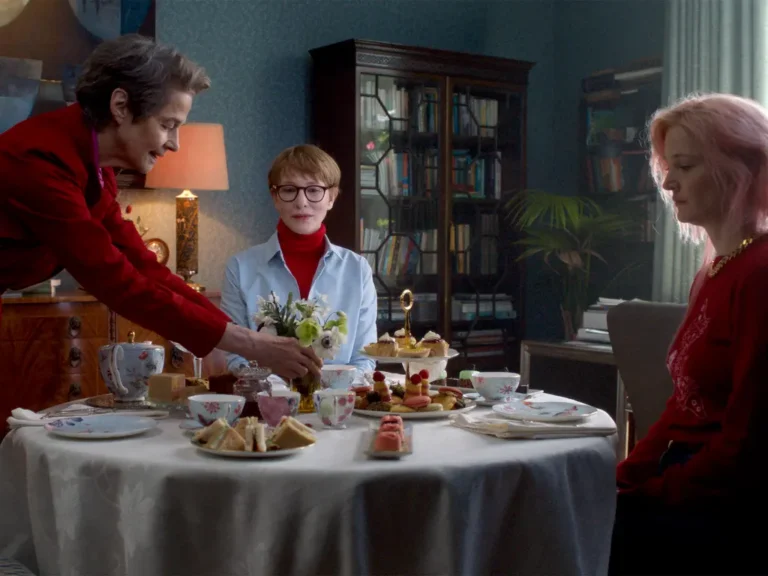
In Dublin, the second vignette centers on a mother (Charlotte Rampling) and her two grown children, Timothea (Cate Blanchett) and Lilith (Vicky Krieps). They gather for an annual afternoon in the dining room, where politeness masks sharper undercurrents. Lilith’s pink hair signals a life not fully disclosed, while Rampling’s unblinking gaze keeps the conversation taut and telling.
Blanchett’s Timothea and Krieps’s Lilith spar with a precise, controlled energy that echoes Phantom Thread, turning quiet exchanges into reveals about identity, desire, and the costs of keeping secrets. The scene hums with small urgencies—sudden interruptions, shared glances, and the careful choreography of a family’s rituals—until the truth lurks just beyond words.
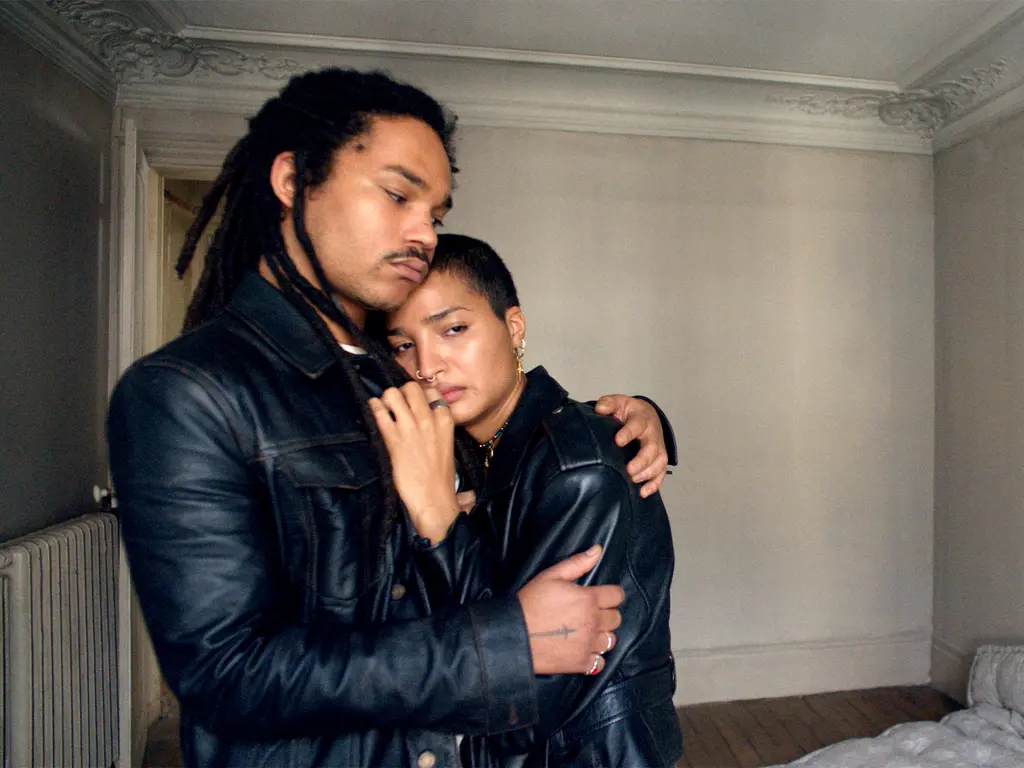
Finally, Paris offers a third act where twins Skye and Billy speak openly in a space the parents once inhabited. Indya Moore and Luka Sabbat bring a warmer, more direct honesty that dissolves some of the earlier formality. The absence of a parental figure lets memory breathe, and the siblings’ candor provides a quiet, healing close to the triptych.
Jarmusch threads road trips and homecomings into a precise meditation on how identity rearranges itself when a vehicle becomes a guest house and a house welcomes back its former occupants. Burgundy clothes, hushed tones, and a restrained score fuse into a mood that lingers after the credits roll.
Club LWLies continues to spotlight cinema that rewards patient viewing and humane storytelling.
Source: Original article