
Introduction
Robyn’s music has long linked the club’s pulse to intimate storytelling. In queer cinema, her songs spark moments where longing, memory, and community intersect on screen. This piece traces how her pop craft has become a shared language across film and television.
Running through the scenes of longing
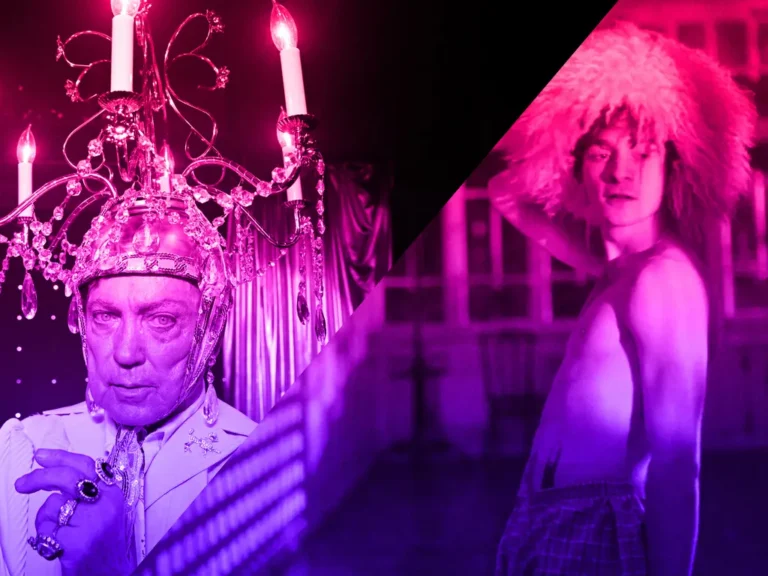
In Swan Song, a 2021 drama by Todd Stephens, a retired hairdresser named Pat—played by Udo Kier—navigates a surreal journey of memory and desire. A dreamlike opening sequence gives way to a pivotal drag performance, with Robyn’s Dancing On My Own amplifying the sense of collective joy amid loneliness. The film uses the song to unite generations on a crowded floor and in a quiet, late‑life reckoning.
Robyn as a universal anchor
Robyn’s music does more than underscore mood; it becomes a language critics and artists return to. Her influence ripples through interviews and essays, shaping how vulnerability is rendered in pop and screen culture. From the approach of production to the way a scene lands emotionally, Robyn sets a standard for intimate, cathartic storytelling.
On Song Exploder, Robyn describes aiming for an underwater sensation in the Honey era, a metaphor for feeling depth and pressure beneath the surface. The idea that sound can glow beneath, drawing out emotion, recurs in conversations with artists and fans who cite her work as a blueprint for vulnerability.
A dance of desire in And Then We Danced
Levan Akin’s And Then We Danced (2019) follows Merab as he wrestles with attraction within Georgia’s traditional dance world. The arrival of Irakli unsettles the balance, and their tenderness unfolds against a choreography that grows freer with every beat. Cinematographer Lisabi Fridell bathes the countryside in warm amber light, turning street lamps into a glow that frames their evolving bond.
Both Akin and Levan Gelbakhiani—who portrays Merab—have spoken about Robyn’s presence on set. The music becomes a throughline that helps the characters imagine a future beyond prescribed roles, making dance a doorway to self‑definition and risk‑taking.
Robyn’s legacy across artists
Robyn’s imprint reaches beyond a single film. The fashioning of vulnerability through pop has resonated with artists such as Charli XCX, Lorde, and Carly Rae Jepsen, who turn personal struggle into radiant, memorable hooks. In cinema, a Robyn needle drop can serve as a pivotal turn—creating a moment of revelation that feels both intimate and communal.
Ultimately, dancing on screen becomes more than movement. It becomes a method for navigating desire and power, inviting viewers to join in a collective celebration of belonging.
Source: Original article