
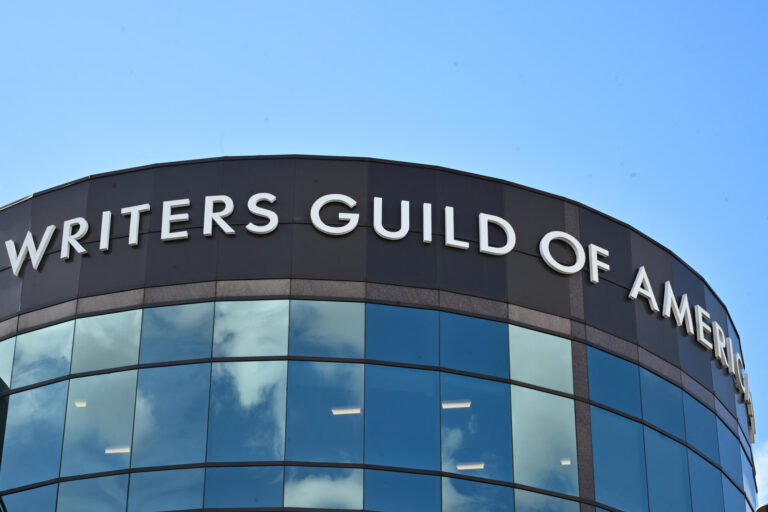
The Writers Guild of America has unveiled a tentative minimum-bargaining agreement with the studios, signaling a shift in how future deals will be shaped. The pact stretches the contract term to four years, a move away from the three-year standard, and packages in healthcare relief, higher residuals, and stronger protections for writers.
A central piece of the agreement is a $321 million infusion into the health and pension plan over the life of the contract. Industry observers say the funding shores up a shrinking safety net and helps keep healthcare coverage in place as the business contracts and evolves.
WGA members also win wage increases of roughly 10.5 percent on the floor, better residuals, and a boost to the top‑tier bonus for high‑performing streaming work (now 75 percent of the residual fee, up from 50 percent).
For development work, writers gain greater flexibility: they can pursue other opportunities before a project pays them to begin pilot work, and they won’t be forced into first position until payment starts. The deal preserves previously won staffing safeguards and continues to ban expansive free‑labor arrangements like mini‑rooms and gratuitous rewrites.
On the tech front, the pact requires studios to notify the guild when licensing material for commercial AI models, but the broader fight over using writers’ material as training data remains unresolved. Copyright ownership stays with the studios, and the industry is negotiating how these tools will be deployed going forward.
Ratification now rests with WGA members, following a period in which WGA West staff have been on strike and the guild canceled its awards ceremony. While support may not match the unity seen in 2023, observers expect voters to acknowledge the gains that healthcare and staffing protections delivered, especially after the wave of layoffs writers faced in recent years.
Beyond the WGA, SAG-AFTRA and the DGA are moving to bargaining. SAG-AFTRA will resume talks on April 27, with the DGA scheduled to begin in May under new president Christopher Nolan. Some see the WGA deal as a signaling move that could nudge the other guilds toward a four‑year term, though Nolan has said a five‑year term isn’t a reasonable target. The broader debate includes heightened protections for performers in the face of AI, a topic SAG-AFTRA has made a priority.
Industry observers note AMPTP chief Greg Hessinger is entering negotiations with a more direct posture, delivering close to the best offer upfront rather than wading through opaque stalemates. The bigger question now is whether the terms, while favorable in healthcare and protections, will hold under ratification and future market shifts.
Source: Original article