
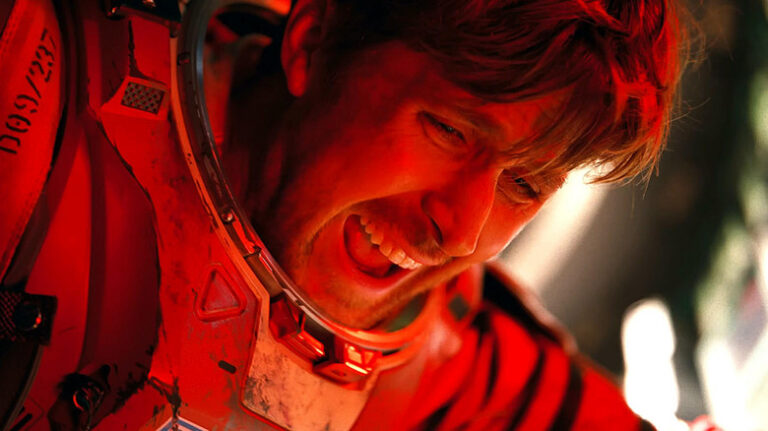
The hardest moment to film in Project Hail Mary wasn’t the rocket science or the alien encounter. It was the infrared-lit sequence showing the astrophage advancing on the sun, a visual that had to read as both terrifying and awe-inspiring on screen.
Directors Phil Lord and Chris Miller unpacked the challenge on The Big Picture podcast, explaining the careful blend of practical effects and CGI. They described removing a camera filter that blocks infrared light, which let a pinkish glow emerge as the scene unfolded. On set, Gosling stood inside a cage of blinking infrared lights while a crew rigged the shot to feel tangible rather than fantastical.
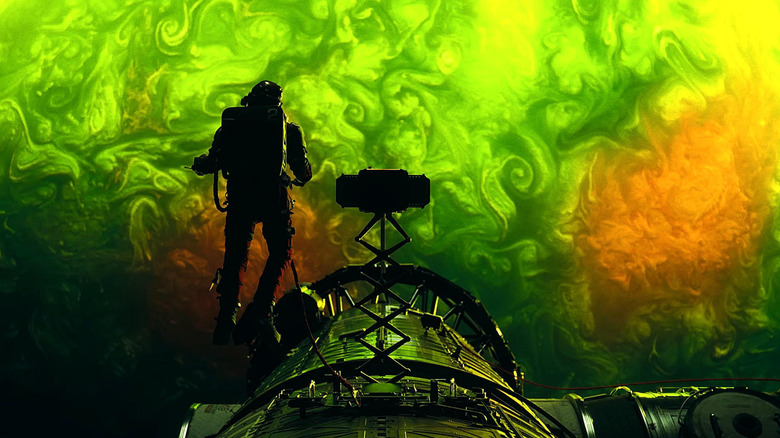
To achieve the final look, production chief Greig Fraser built a two-pane, aquarium-style window with a dripping water tube in front of the handheld camera. The result was a smeary, glistening texture that the naked eye couldn’t see but that the monitor captured, setting the stage for later digital augmentation by ILM to widen the shot. Miller recalled that the process demanded extensive development, but when they got it, the effect felt almost magical.
In the end, the astrophage sequence became a defining image of the film, a testament to how practical ingenuity and visual effects can merge to realize something instantly memorable. Project Hail Mary is currently playing in theaters, inviting audiences to glimpse the film’s science-nerd magic on the biggest screens.
Source: Original article