
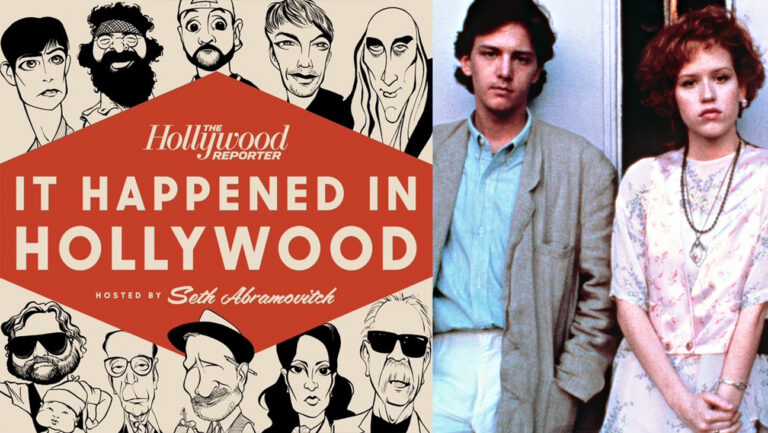
Forty years after Pretty in Pink hit theaters, Andrew McCarthy revisits the film with a mix of warmth and candor. He recalls showing up in Los Angeles needing a job and the money that came with it. He read the script on the plane and immediately sensed the original ending would shortchange his character, which set off a scramble to rethink the finale.
Initially the part was drafted for a broad-shouldered, all‑American jock. McCarthy didn’t fit that mold, but Molly Ringwald championed him, and John Hughes trusted her instinct. The movie shifted in his favor, a moment he now marks as a turning point in the era’s Brat Pack story.
The ending tale is one of the film’s defining myths. A mall‑test screening soured when Blane abandons Andie, triggering a one‑day reshoot. McCarthy, who had shaved his head for a stage role, wore a notoriously ragged wig for the prom moment. He jokes that the hairpiece was so comically bad it somehow lands, because it makes Blane look heartbreakingly sad as he tells Andie, “I believe in you.”
On set, Hughes would roll in with a boombox and a stack of cassettes, playing the cast into the mood while cameras were being prepared. That ritual helped shape Pretty in Pink’s memorable soundtrack and the easy camaraderie around early shoots. The film’s lasting impact also rests on Ringwald’s steady, cool center and the way home video transformed it into a rite of passage for generations.
Asked about the Brat Pack nickname, McCarthy reflects on the era’s whirlwind energy. Audiences embraced the label even as studios tried to chart different paths for him. Now he regards the moment as a gift—part of a cultural conversation that outlived its moment and helped define his place in cinema history.
It Happened in Hollywood, the podcast he’s part of, is out now, and his forthcoming book Who Needs Friends continues the examination of male friendship and bonding. Together, the interview and the film remind us how Pretty in Pink still resonates with themes of longing, vulnerability, and the stubborn resilience of youth.
Source: Original article