
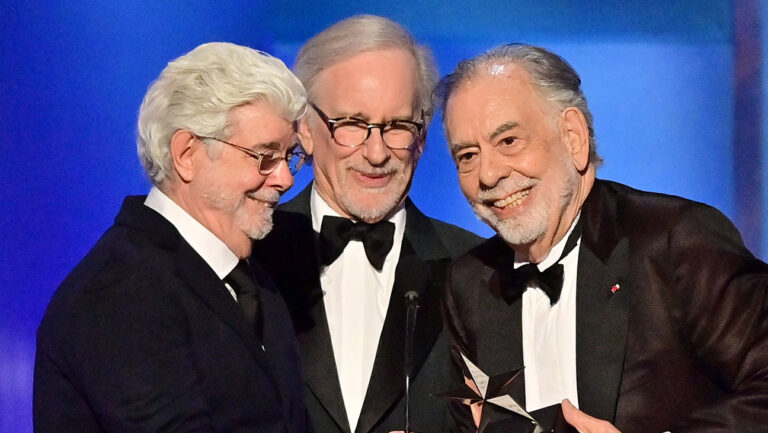
The 1970s reshaped American cinema, not with a single blockbuster but through a handful of filmmakers who pressed for control over their work. Francis Ford Coppola, George Lucas, and Steven Spielberg emerged as bold rebels against an aging studio system, fueling a wave of movies that blended ambition with new business sensibilities.
They broke away from conventional funding, forming a loose collective and pursuing independent production ideas that let them own more of their output. The early triumphs — Coppola’s The Godfather, Lucas’s Star Wars, and Spielberg’s Jaws and E.T. — demonstrated that a director could drive a global franchise while still steering the creative ship. Their success rewired what studios believed about risk, scale, and freedom.
By the early 1980s, Coppola and Lucas had their own production outfits, and Spielberg enjoyed studio leverage that let him greenlight almost any project. The era’s mood turned toward tentpoles and IP, a blueprint many peers tried to copy. Yet behind the spectacle, a shift was underway: a new generation of executives sought to translate that autonomy into corporate control rather than individual authorship.
Today’s filmmakers continue to navigate the same dilemma. Independent voices like Sean Baker have earned prestige while pursuing ownership, and giants such as Ryan Coogler have achieved record Oscar attention by maintaining a personal ownership arc. The industry also observes stars and directors openly critiquing the system, arguing for self-financing and new models that protect a creator’s rights.
Paul Fischer’s The Last Kings of Hollywood chronicles this saga, tracing the daily pushes that enabled Coppola, Lucas, and Spielberg to carve out artistic independence. The book argues that their fight against the old system left a durable legacy—one that still shapes how films are financed, produced, and distributed in an era of mega-blockbusters.
Read more about the figures who defined this era: Coppola, Lucas, Spielberg, plus contemporary voices like Sean Baker and Ryan Coogler, who are redefining ownership in their own ways.
Source: Original article