
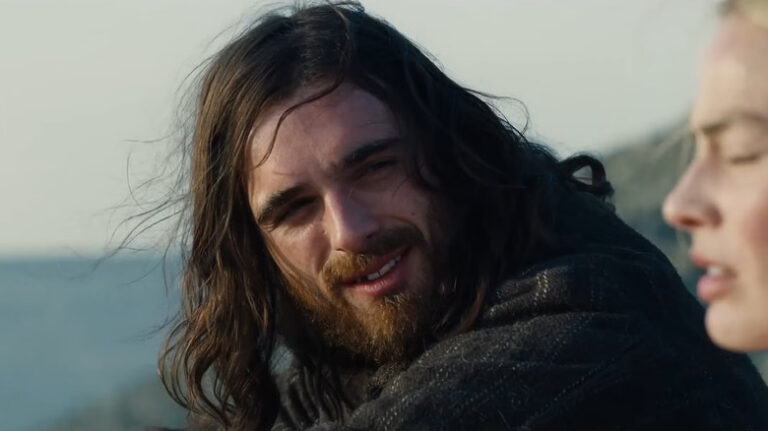
Emerald Fennell’s new take on Wuthering Heights has reignited a familiar debate around casting as much as it does around tone and setting. The project pairs Jacob Elordi with Margot Robbie as the lead couple, a pairing that instantly drew attention from fans and critics alike.
Central to the discussion is Heathcliff’s identity. Some readers read the novel’s clues as pointing to a multiracial or Black heritage, while others see him as more ambiguous. This ongoing ambiguity has fueled conversations about how faithful a modern screen version should be in its portrayal of race and belonging.
Historically, filmmakers have varied in their approach. The 2011 adaptation directed by Andrea Arnold notably featured Kaya Scodelario as Cathy and James Howson as Heathcliff, signaling a shift toward more multiracial casting that critics used to debate the source material’s intent.
Why the filmmakers’ choices sparked controversy
Fennell is known for provocative projects, and her Wuthering Heights is no exception. While some critics welcome a fresh interpretation, others push back against departures from how the characters have traditionally appeared on screen. Margot Robbie has publicly voiced admiration for Elordi’s take on Heathcliff, underscoring the actor’s intensity and commitment. She emphasized her belief in his ability to embody the character, adding that the adaptation represents a landmark moment for a new generation of performers.
In a separate discussion, Fennell spoke about the film’s bigger aim: every reader carries a personal image of this story, and the movie’s approach lets that vision breathe. She described the project as a personal journey that could be retold many times, yet remain deeply affecting each time.
What this means for today’s cinema
As the film hits theaters, the debate over representation and adaptation continues to unfold. The headlines around Elordi’s casting reflect a broader shift in how audiences expect classics to be reimagined for contemporary audiences while confronting long‑standing questions about race, identity, and literary interpretation.
Wuthering Heights is currently in theaters, and conversations around its casting are likely to persist as viewers weigh the film’s fresh take against the canonical text.
Source: Original article