
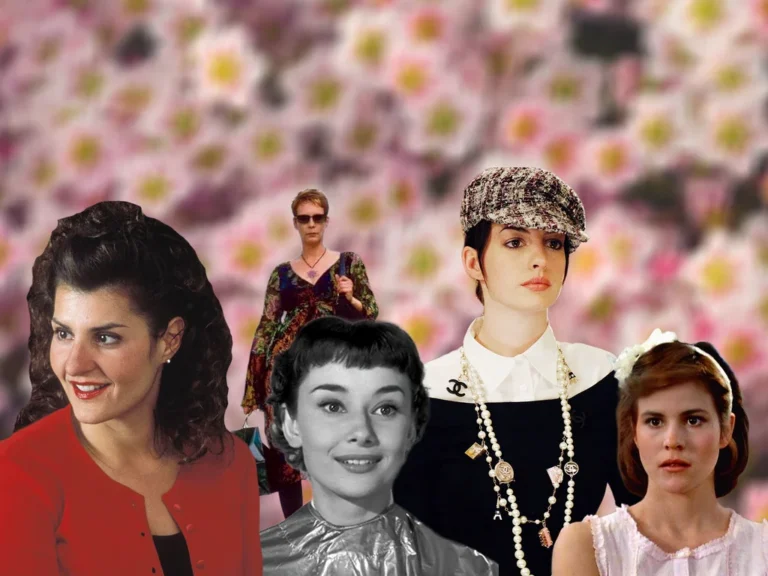
The makeover has long been a staple of cinema aimed at women and girls, but its appeal runs far deeper than cosmetic tricks. Across genres, a wardrobe swap becomes a map for identity, agency, and the space a character can occupy in the world around her.
These sequences arrive at turning points, signaling a transition from one role to another. They are less about fashion than about movement—how a character steps into a new sphere, and how others respond to that shift.
Iconic scenes and what they mean
In The Devil Wears Prada, Andy Sachs trades her old silhouette for a polished, professional look. The montage signals not just a new wardrobe, but a recalibration of what she can navigate and achieve. The film uses the rhythm of fashion to track her growing readiness for responsibility, while also hinting at the personal costs of that ascent.
When a sequel arrives, the costumes blur luxury labels with accessible pieces, suggesting that authenticity and ambition can coexist with style.
Moments of freedom and constraint
The Princess Diaries presents a condensed rite of passage: a rapid makeover marks Mia’s entry into a wider social order, reframing how she might be seen and what she can become. The emphasis rests on agency and self-definition within a world that polices appearances.
Other classics extend the idea. In Roman Holiday, a haircut becomes a doorway to liberty, underscoring the tension between isolation and self‑determination. Toula’s evolution in My Big Fat Greek Wedding follows a similar arc, with wardrobe shifts paired with fresh social confidence as she steps toward strangers and new possibilities.
Freaky Friday adds another twist: a body swap forces mother and daughter to walk in each other’s shoes, building empathy before they can share a future. These moments of change emphasize that style can function as a bridge between inner desire and outward expression.
Together, these makeover moments remind us that cinema’s best transformations aren’t about vanity alone. They crystallize a character’s decision to claim space, to redefine how she’s seen, and to chart a path toward what she wants to become.
Ultimately, the makeover montage is a narrative tool for self‑determination and social navigation. When done with care, it validates the impulse to present oneself differently and to grow into a version of oneself that feels true on any given day.
Source: Original article