
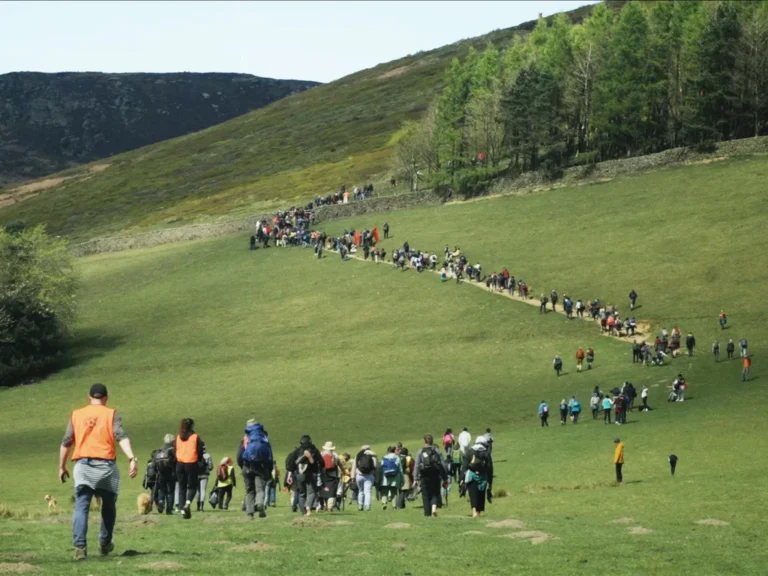
David Jenkins’s Our Land surveys the debate over access to England’s countryside, directed by Orban Wallace. The 91‑minute documentary arrived in early May 2026, spotlighting who should be allowed onto privately owned land and why the issue matters.
The film foregrounds arguments from both sides but maintains a clear tilt toward expanding public access. A controversial figure, Francis Fulford, is presented as a foil whose long‑standing resistance to outsiders underscores the emotional and political weight behind rural land ownership.
As Right to Roam activists stage peaceful walks on private estates, defenders of property rights press back with appeals to heritage, security, and responsible stewardship. The documentary suggests many fears about access come from misread intentions, and it makes a persuasive case for loosening some boundaries in the countryside—a move that would recalibrate power in rural Britain.
Viewed through a wider lens, the film casts access to nature as a matter of social equity, tying the fate of common spaces to broader questions of inequality and governance. Wallace’s approach invites attentive listening from all sides, ending with a forceful argument for reform.
Why it matters
By recasting the English countryside as a shared resource rather than a private stronghold, Our Land prompts a national conversation about how space, conservation, and democracy intersect.