
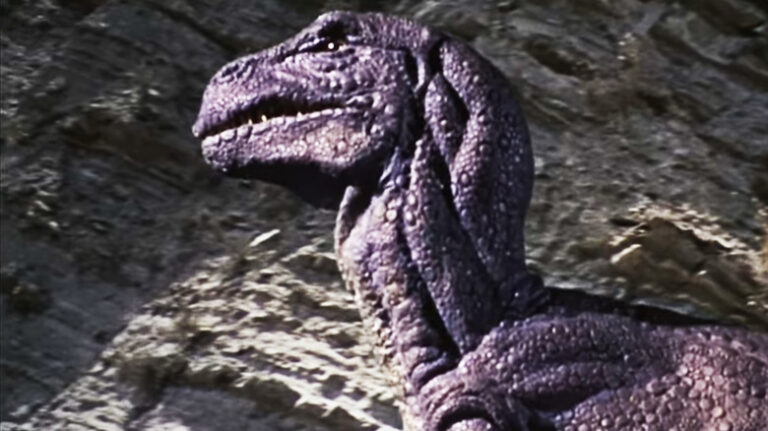
The Valley of Gwangi, a 1969 fusion of frontier drama and prehistoric spectacle, stands out for its audacious mashup. While many late-’60s Westerns leaned toward grit, this film pairs cowboys with roaming dinosaurs and earned a cult following partly thanks to its stop-motion effects by Ray Harryhausen.
The project traces back to Willis O’Brien, the effects maestro who helped shape King Kong, and wound its way through decades of development before finally hitting screens. Later, Harryhausen and producer Charles H. Schneer carried the torch, with Warner Bros. backing the ambitious idea. The result is a one‑of‑a‑kind genre hybrid that still feels singular today.
From idea to screen
Early plans pitched a straightforward cowboy tale, but the team reimagined the setup around a traveling rodeo to fuse Western swagger with creature‑feature chaos. The collaboration blended O’Brien’s spirit with Harryhausen’s meticulous stop‑motion craft, forging a film that, despite its flaws, remains influential for genre mashups.
What makes it memorable
In the story, Buffalo Bill’s Wild West show discovers a Hidden valley in Mexico housing prehistoric beasts. A Pteranodon snatches a young rider, and the crew encounters Gwangi, a towering Allosaurus. They capture the beast to display it in a rodeo, only for Gwangi to break loose and unleash havoc, including a dramatic confrontation inside a church.
Beyond its pulp premise, Gwangi’s effects are its calling card. The church sequence, in particular, stands as a highlight among dinosaur moments in cinema. Altogether, the film is a quirky, earnest effort that demonstrates how two beloved genres can collide in a single, memorable package. It’s currently available to stream for free on YouTube.
Source: Original article