
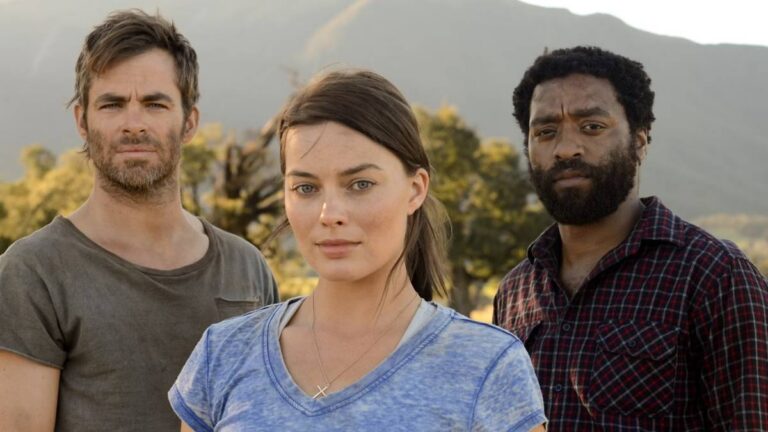
In a world silenced by a nuclear disaster, Z for Zachariah narrows its lens to a lone valley where three survivors carve out a fragile existence. Adapted from a novel published in the ’70s, the film emphasizes dialogue and moral tension over big action set pieces.
The story centers on Ann, a young woman who tends a small farm and holds onto hope. When John Loomis, a visiting engineer, arrives with practical skills and a cautious outlook, the dynamics of the valley shift. The arrival of Caleb, a miner who has lived underground, intensifies the stakes and forces the trio to confront trust, jealousy, and the price of survival.
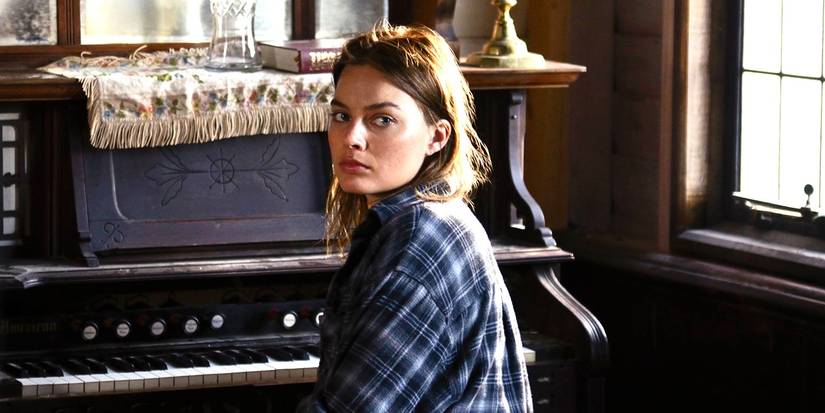
A Deliberate, Character‑Driven Approach
Directed by Craig Zobel, the film casts Margot Robbie, Chiwetel Ejiofor, and Chris Pine in a tense, intimate narrative. Robbie anchors the drama with a grounded warmth, portraying Ann as a steadfast voice of hope amidst uncertainty. Ejiofor’s Loomis is steady and haunted, his science‑minded discipline tempered by a quiet ache from the past. Caleb, brought to life by Pine, carries a cool, ambiguous intensity that unsettles the pair and the equilibrium they’ve built.
Instead of a wide‑scale survival saga, Zachariah concentrates on the micro‑dramas of three people learning to share a shelter, a future, and a fragile trust. The valley’s microclimate and the characters’ limited world become a canvas for questions about faith, science, and how love survives when the end of the world seems imminent.
Why It’s Worth a Second Look
The movie slipped into theaters with modest exposure in 2015, a quiet release that belies its lasting resonance. It’s a rare example of a high‑caliber cast delivering restrained, emotionally precise performances in a film that rewards patience and attention. Read as a character study, Zachariah stands out in the post‑apocalyptic genre for its skepticism toward grandiose heroics and its emphasis on humanity under pressure.
After Caleb’s arrival, tension fractures the trio’s dynamics in a way that feels earned rather than sensational. The film’s slow pace invites the audience to sit with discomfort, letting questions about race, faith, and desire breathe between moments of practical problem‑solving and shared vulnerability.
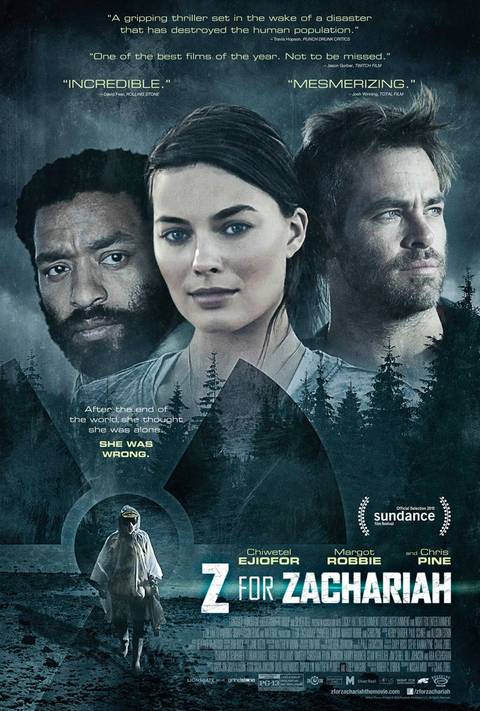
Cast, Craft, and Consequences
While the setting is spare, the performances are richly textured. Ann’s hopeful pragmatism anchors the story, even as Loomis’s memory and Caleb’s secretive bravado complicate daily life. The trio’s evolving relationships—woven with unease and tenderness—invest the film with a quiet, human heat that lingers after the credits roll.
As the tension between science and belief, trust and jealousy, unfolds, the film asks how people choose to live when they are truly alone with one another. Z for Zachariah isn’t about saving the world; it’s about the cost—and the possibility—of building a small future together inside a fragile sanctuary.
Source material and direction aside, the movie remains a notable entry in Robbie, Pine, and Ejiofor’s catalogs—an underrated, intimate portrait of survival and the messy, stubborn, hopeful side of humanity.
Source: Original article