
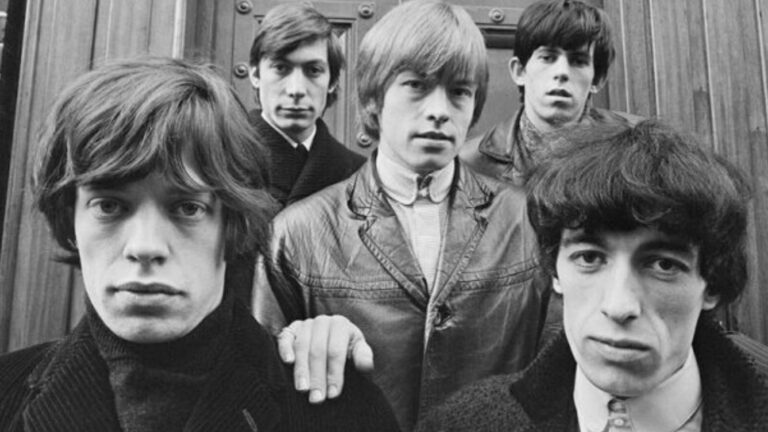
The Rolling Stones have endured for more than six decades, shaping rock’s sound and swagger along the way. This list weighs craft, arrangement, influence, and how each track helped steer the band’s evolution. It’s a fresh, cinema‑savvy take on ten defining performances.
10. Honky Tonk Women (1969)
A blues‑leaning groove with a dance‑floor punch, built around a raw riff and a cowbell‑driven beat. Originated as a non‑album single and later surfaced on various compilations, underscoring the Stones’ versatility as they flirted with country textures. The track remains a punchy marker of late‑60s resilience and funk‑tinged edge.
9. She’s a Rainbow (1967)
In a rare psychedelic turn, this track bends baroque textures into a playful anthem. Its cascading piano lines, a Mellotron wash, and a lush string layer create a bright, otherworldly mood. The arrangement is what makes the song linger in the memory as a vivid Stones moment.
8. Tumbling Dice (1972)
The lead single from Exile on Main St. revived the boogie blues with a loose, sun‑drenched tempo. Lyrically, it follows a gambler who can’t stay faithful, but the music’s swagger carries it beyond its narrative edge. The call‑and‑response coda makes it a live staple.
7. Beast of Burden (1978)
A soulful stride from Some Girls, anchored by understated guitar work and a steady groove. Jagger’s intimate vocal takes center stage as the band trades weighty mood for an introspective, groove‑driven moment. It stands as a milestone of the Stones’ late‑70s unity and resilience.
6. Wild Horses (1971)
This ballad peels back the band’s rougher edges to reveal vulnerability and longing. Inspired by Marianne Faithfull’s crisis, the track pairs a gentle melody with evocative imagery and quiet, aching guitar work. Its acoustic texture gives the song an enduring, timeless feel.
5. Sympathy for the Devil (1968)
A first‑person narrator invites you into a carnival of chaos, wrapped in a samba‑tinged groove that shifts through African and South American influences. The six‑plus minute version pushed the band into expansive, exploratory territory and sparked controversy before becoming a landmark of artistry.
4. Paint It, Black (1966)
An audacious blend of sitar, organ, and percussion underpins a mood of unremitting grief. The track’s cinematic tension helped redefine the Stones’ sound, showing that fearless experimentation could pay off in broad reach. It inspired countless artists and remains a touchstone in film soundtracks.
3. (I Can’t Get No) Satisfaction (1965)
The riff that defined a generation cuts through with sheer, unrelenting force, addressing desire and commercial pressure with blunt clarity. Its creation is wrapped in lore, but its impact is undeniable, propelling the Stones to global superstardom and inviting a chorus of covers.
2. You Can’t Always Get What You Want (1969)
Opening with a London choir and horns, the song threads optimism into disillusionment. Its themes of love, politics, and longing resonate across generations, making it a perennial touchstone in pop culture and media alike.
1. Gimme Shelter (1969)
An urgent, apocalyptic mood defines this centerpiece, built from whispers that swell into a chaotic crescendo. Merry Clayton’s guest vocal elevates the drama, turning the track into a stark meditation on fear and upheaval. It remains the Stones’ most defining and seismic statement.
Source: Original article